Ivy



About Our Ivy

Ivy Bio
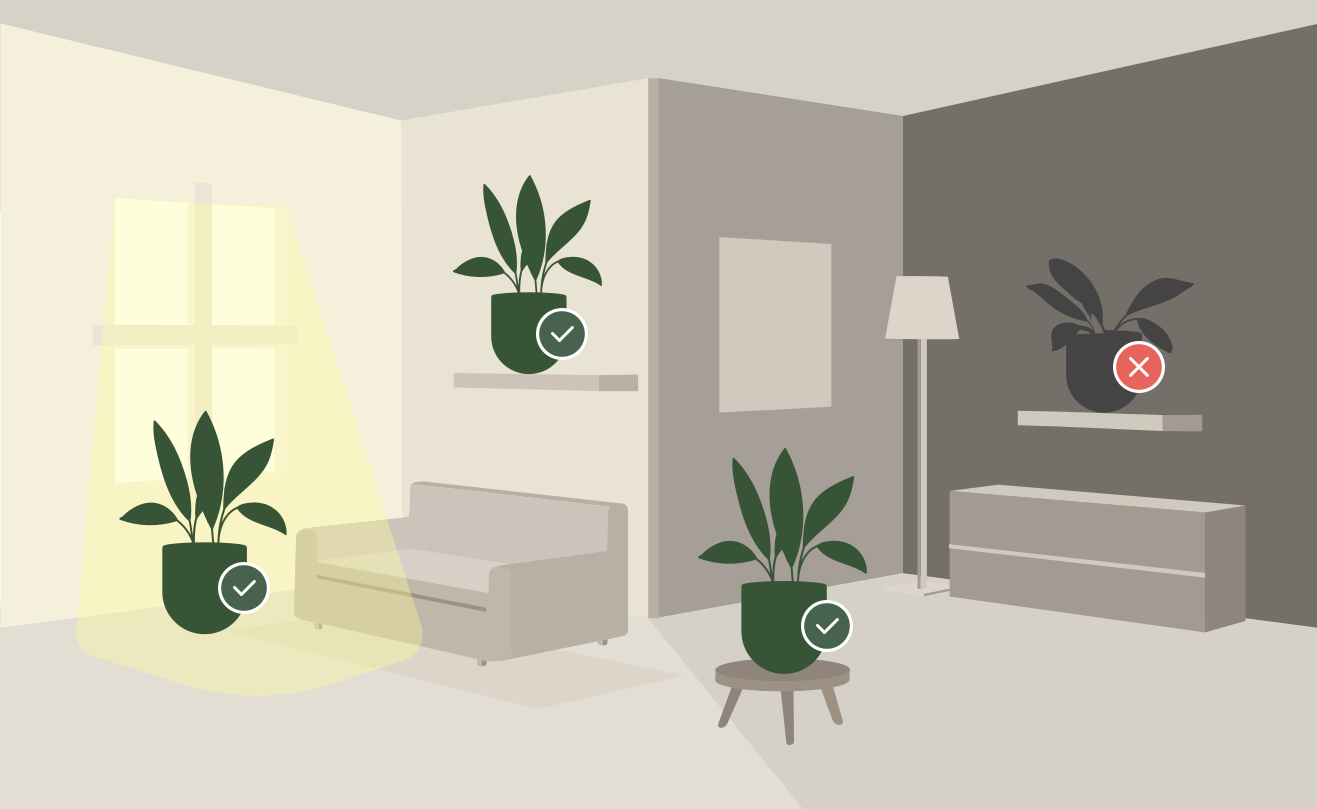
Light Instructions
Ivy grows best in a well lit space with bright indirect sunlight, and can adapt to both direct sunlight and low light. Avoid placing it in spaces without natural sunlight.
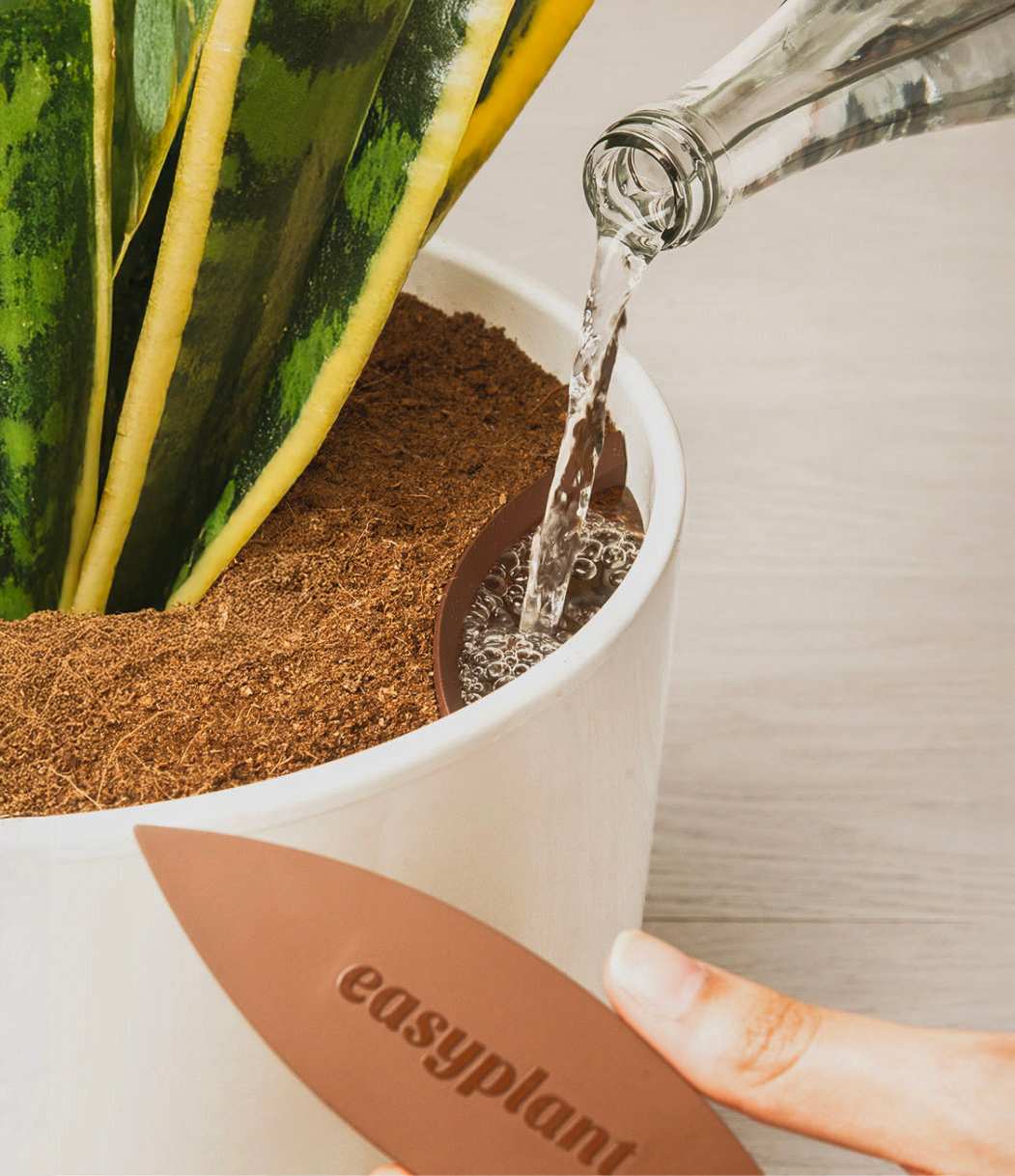
How does self-watering work?
- 1Open the lid and fill with water
- 2Your plant drinks only when needed
- 3The result: healthy, long-lived plants that are easy to care for
easyplant benefits
- Carefree and convenient
- No more worrying about when to water
- Healthier plants that live longer
- We use proven irrigation technology to optimise water consumption
| Advantages |  | Other |
|---|---|---|
| Water interval | 1 Month | 1 Week |
| Overwatering | Rare | Common |
| Underwatering | Never | Common |
| Over compacted dry soil | Never | Common |
| Easily know when to water |  |  |
| Stable root growth | | |
Keep Ivy looking healthy and balanced by gently wiping dust from the leaves, rotating the plant regularly so all sides receive even light, and pruning long or uneven vines to maintain its shape and encourage fuller growth. Remove any yellow, dry, or damaged leaves as needed, and trim back leggy stems just above a leaf node to help Ivy stay compact. If Ivy eventually outgrows its pot, repotting is a natural next step; easyplant offers a repotting kit, and the larger pot should only be used once the plant clearly needs more space, as it holds more soil.
Is Ivy easy to care for?
Yes. Ivy is relatively easy to care for indoors when it receives consistent watering, good natural light, and regular pruning.
Why is my Ivy losing leaves?
Leaf drop can happen because of watering stress, low light, sudden temperature changes, or draughts, so check the soil and move Ivy away from vents or extreme temperatures if needed.
 small
small medium
 large
large huge
huge bundles