


About Our Ficus Tineke

Ficus Tineke Bio
Light Instructions
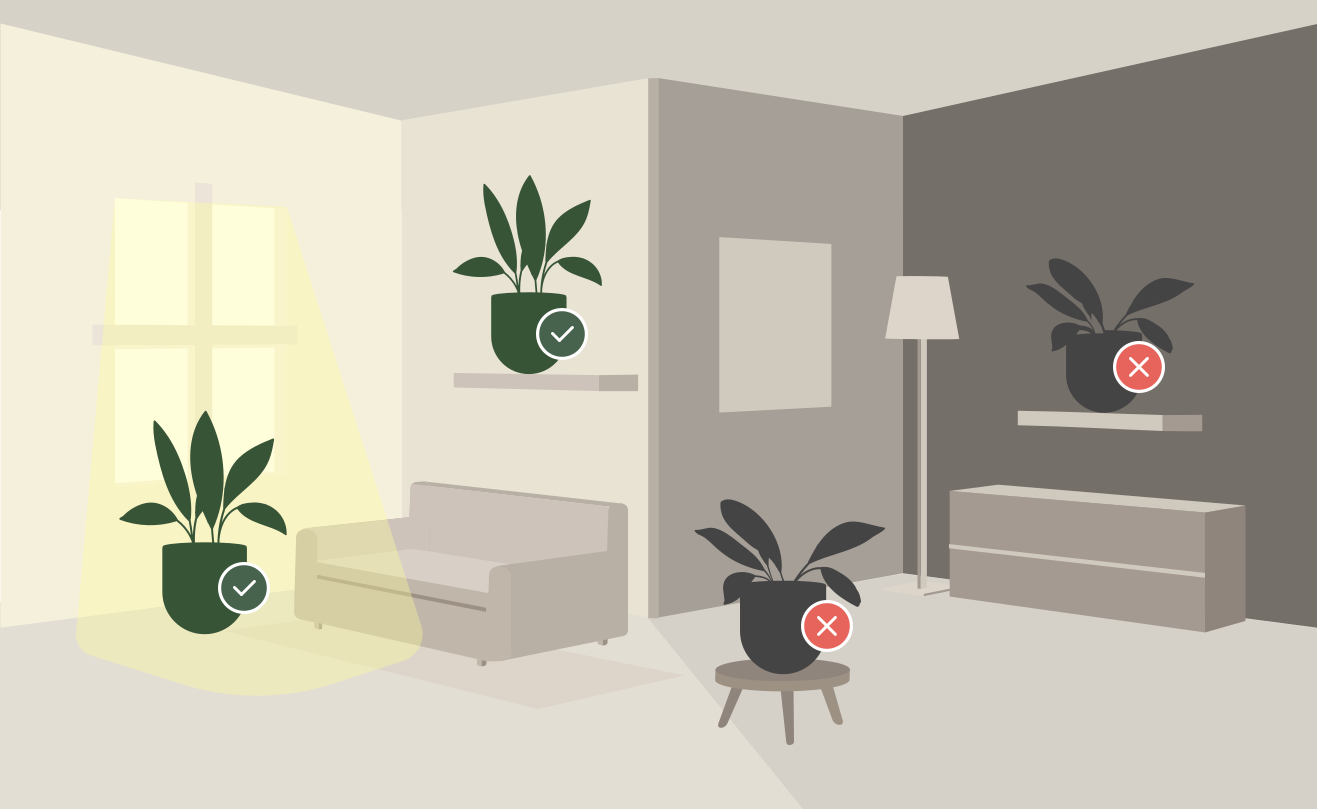
Ficus Tineke grows best in a space with bright, direct sunlight streaming indoors, but it can also adapt well to bright, indirect light, where the rays are softened. Avoid placing it in areas with poor light or in rooms without natural daylight.
How does self-watering work?
- 1Open the lid and fill with water
- 2Your plant drinks only when needed
- 3The result: healthy, long-lived plants that are easy to care for

easyplant benefits
- Carefree and convenient
- No more worrying about when to water
- Healthier plants that live longer
- We use proven irrigation technology to optimise water consumption
| Advantages |  | Other |
|---|---|---|
| Water interval | 1 Month | 1 Week |
| Overwatering | Rare | Common |
| Underwatering | Never | Common |
| Over compacted dry soil | Never | Common |
| Easily know when to water |  |  |
| Stable root growth | | |
The more indirect light your Ficus Tineke receives, the better chance its leaves will hold onto their beautiful pink and cream variegation. To keep it growing evenly, give the leaves an occasional wipe with a soft, damp cloth to remove dust, and turn the pot a quarter turn once a month. This way, the plant gets light on all sides and develops a balanced shape.
Does Ficus Tineke Need a Lot of Light?
Ficus Tineke needs a fair amount of light, especially to maintain its colour variegation. Bright, direct light in the early morning is suitable, but diffuse the incoming light in the afternoons when the sun’s rays are harsher. You can do this with a sheer curtain over the window. This method provides sufficient light while preventing leaf scorch.
How Big Does a Ficus Tineke Get?
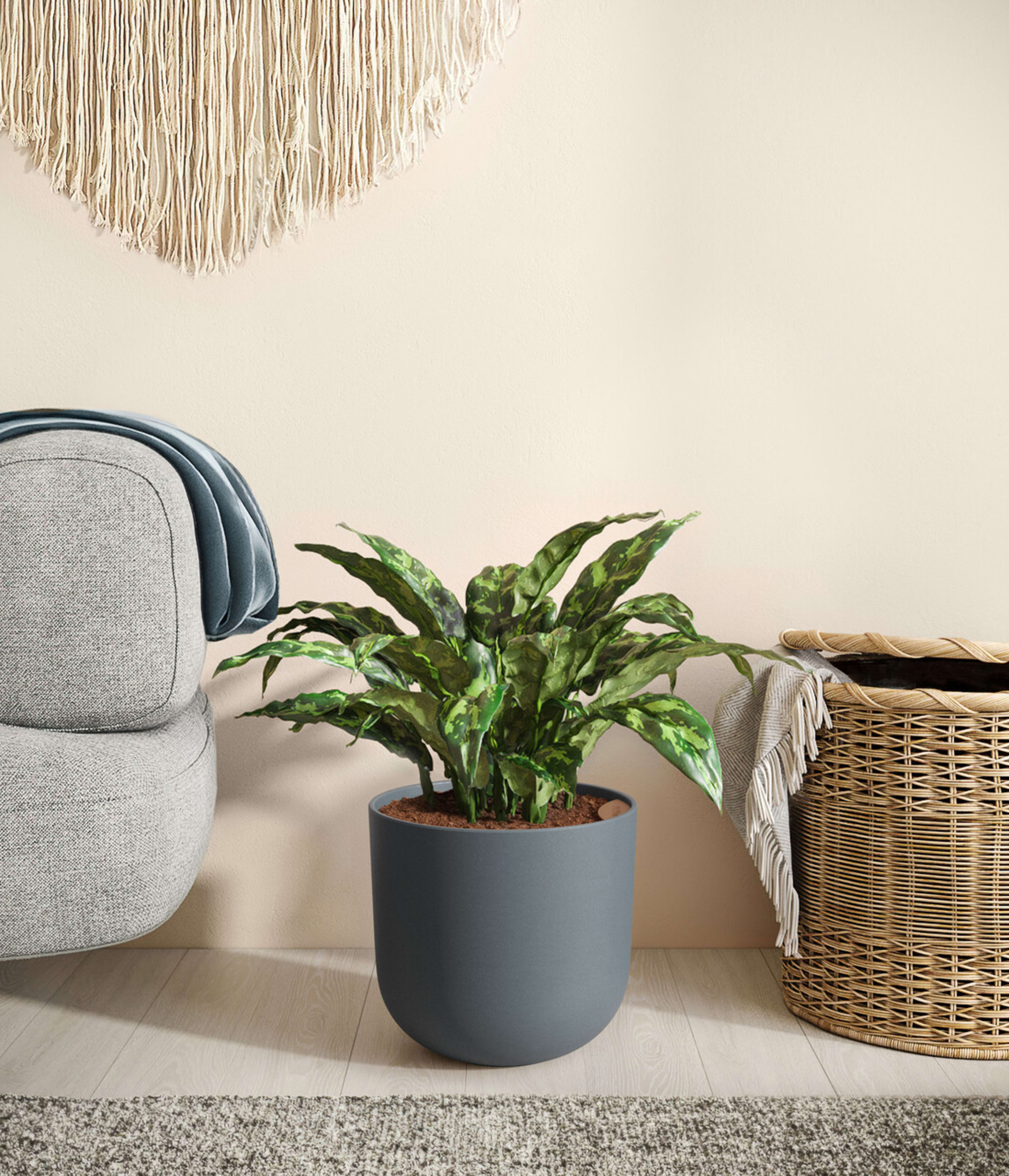
The average height for a Ficus Tineke grown indoors is around 5–6 feet (1.5–1.8 metres). Indoors, this plant generally reaches up to 3 metres, depending on its conditions. Outdoors, however, a Ficus Tineke can grow to an impressive height of up to 15 metres.
 small
small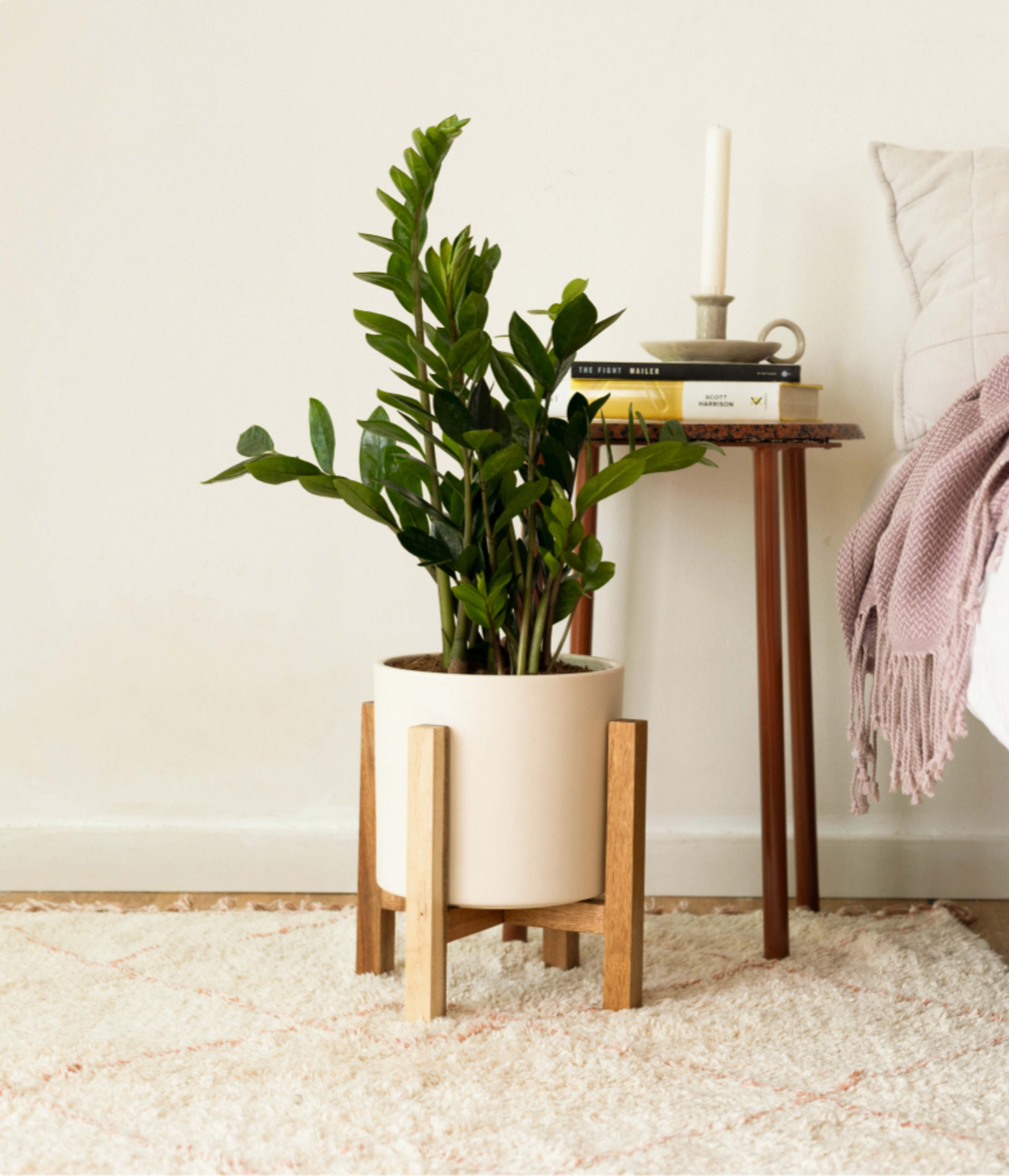 medium
 large
large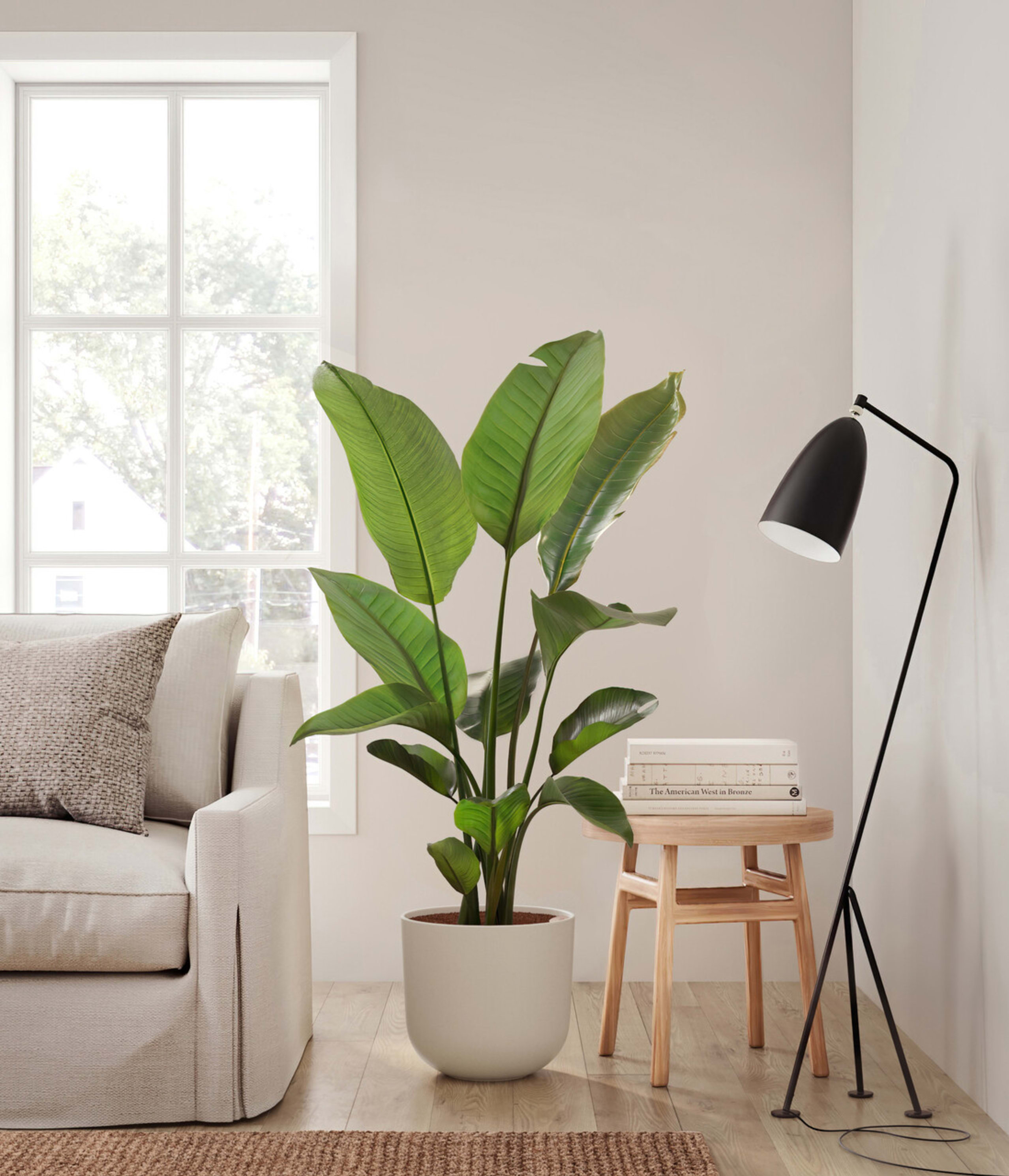 huge
huge bundles