Bird's Nest Fern



About Our Bird's Nest Fern

Bird's Nest Fern Bio
Native to the South American rainforests, the wild Bird’s Nest Fern is an epiphyte, often growing on the trunks of trees, particularly palm trees. With its bright green, wavy fronds, it sprouts in the shape of eggs, forming a rosette that resembles a delicate, well-crafted bird’s nest.
Light Instructions
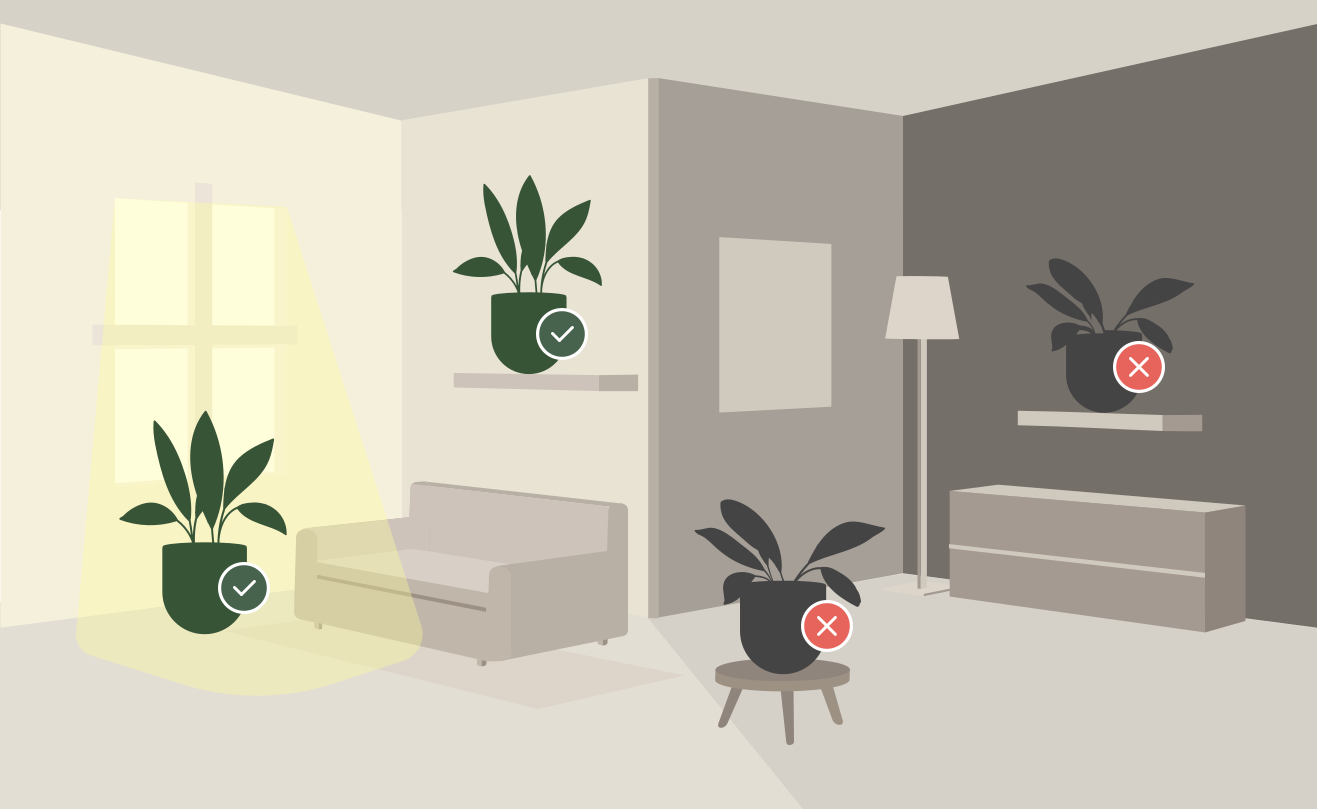
Bird’s Nest Fern grows best in bright, indirect light, where the sun’s rays are diffused. It can also adapt to bright, direct sunlight. Avoid placing it in areas with low light or no natural sunlight.
How does self-watering work?
- 1Open the lid and fill with water
- 2Your plant drinks only when needed
- 3The result: healthy, long-lived plants that are easy to care for

easyplant benefits
- Carefree and convenient
- No more worrying about when to water
- Healthier plants that live longer
- We use proven irrigation technology to optimise water consumption
| Advantages |  | Other |
|---|---|---|
| Water interval | 1 Month | 1 Week |
| Overwatering | Rare | Common |
| Underwatering | Never | Common |
| Over compacted dry soil | Never | Common |
| Easily know when to water |  |  |
| Stable root growth | | |
In the first few days after bringing your Bird’s Nest Fern home, one or two leaves might fall or turn yellow. This is a normal part of its adjustment process and not a cause for concern. Once it has settled in, it’s a low-maintenance plant that will bounce back quickly from any mishap. To encourage even growth, occasionally dust the leaves and rotate the pot by a quarter turn once a month.
Yes, Bird’s Nest Fern thrives with the right amount of sunlight. It enjoys indirect sunlight but can tolerate some direct sun in small doses. Just avoid placing it in full sun for long periods to prevent scorching.
To prevent brown tips on the leaves, consider placing your Bird’s Nest Fern on a pebble tray to increase humidity. Alternatively, a room humidifier can help keep the air moist, especially during drier months.
 small
small medium
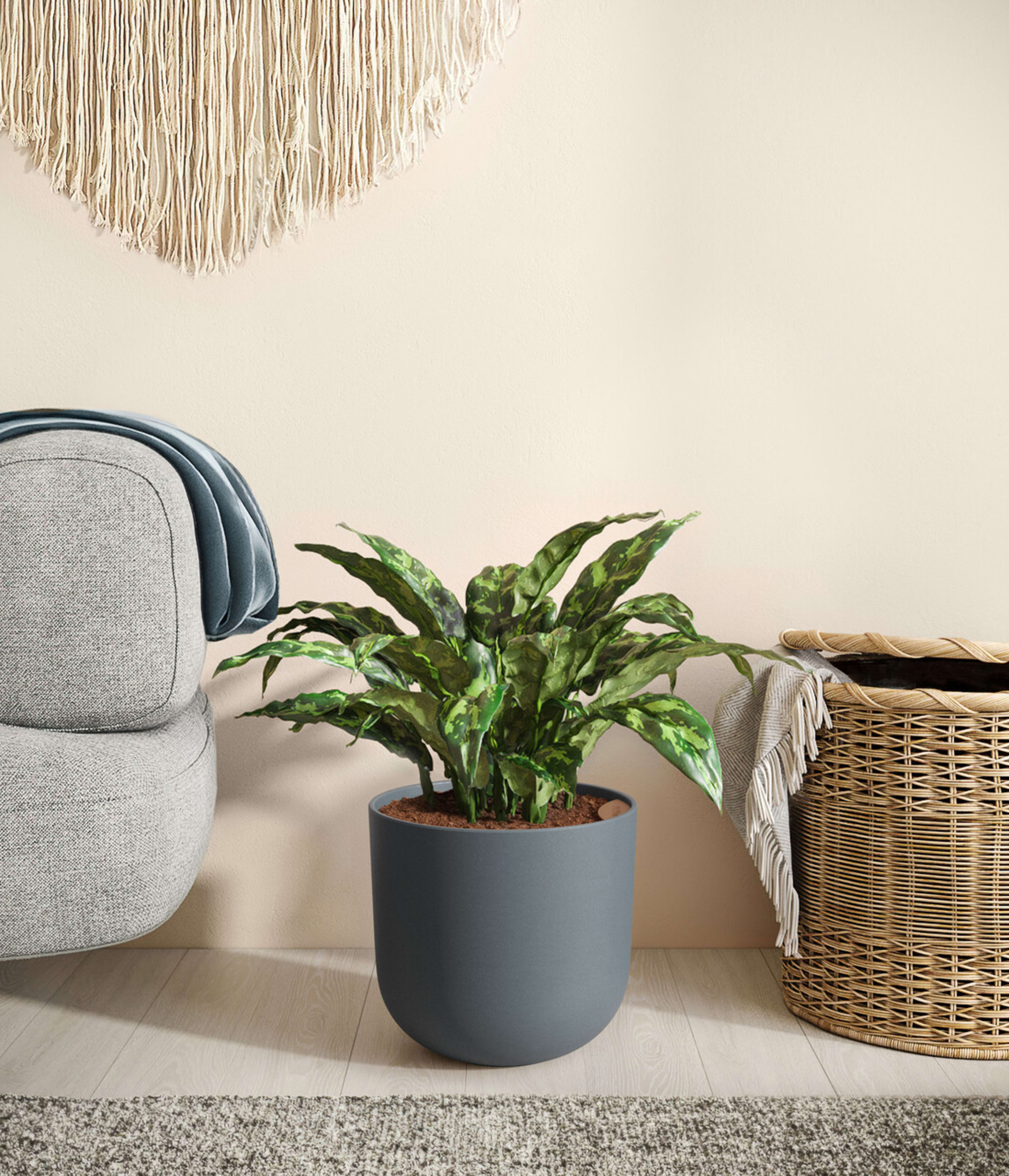 large
large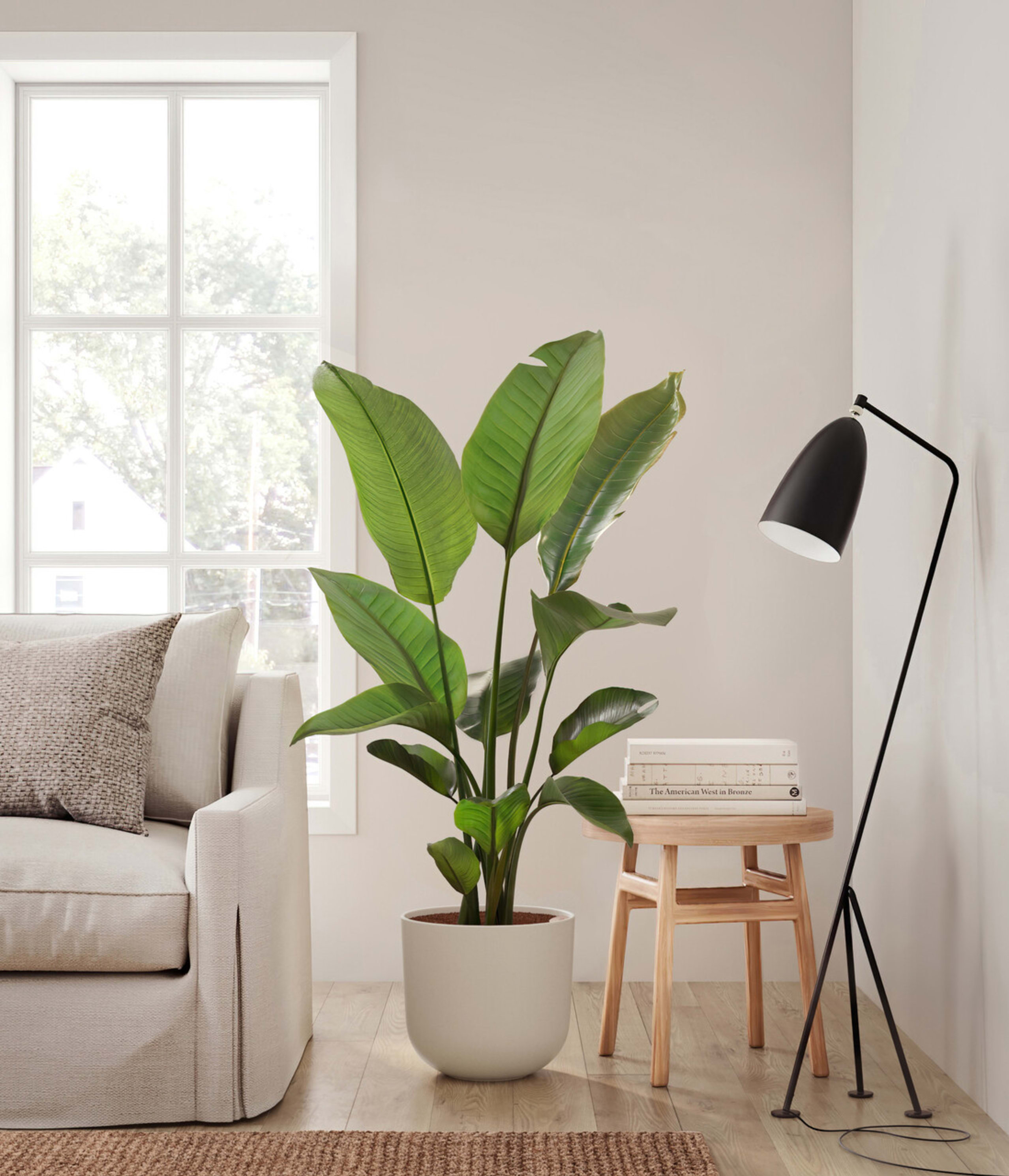 huge
huge bundles