How to Care for Monstera Adansonii

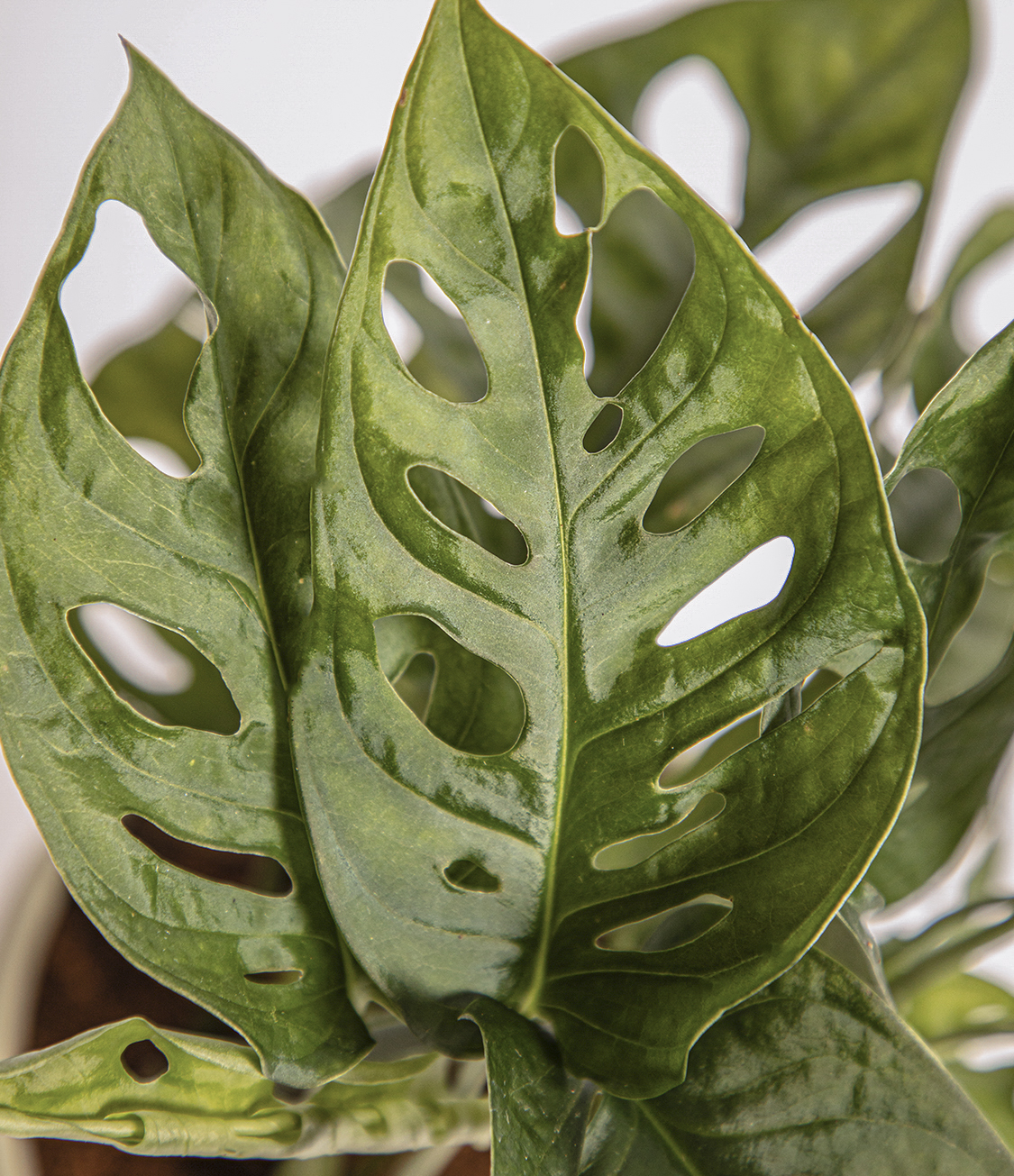
About Monstera Adansonii
Native to Southern Mexico and Central America, Monstera Adansonii is loved for its bright and deep green heart-shaped foliage. Its famously perforated leaves, called fenestrations, are a unique adaptation that allows sunlight to pass through its broad canopy and reach the forest floor. Their distinctive patterns are genetically predetermined when each leaf unfurls, and over time they become more pronounced as the leaves grow larger and darker.
Other common names
- Adanson's Monstera
- Swiss cheese plant
- Five holes plant
- Swiss cheese vine
How Often Should I Water My Monstera Adansonii?
Caring for Monstera Adansonii is easy, but it can be particular about its watering needs. With easyplant, watering your Monstera Adansonii couldn't be simpler. Check the reservoir once a month and refill it when empty, and you're all set!


Monstera Adansonii Light Requirements
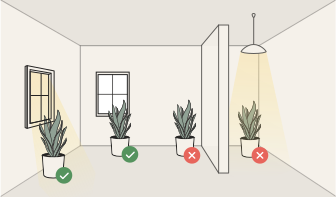
Monstera Adansonii grows best in a space with bright indirect light, where the sun's rays are diffused, and can also adapt to spaces with bright direct light, where sunlight shines directly indoors. Avoid placing it in spaces with low light or in areas without natural sunlight.
Although this plant can tolerate lower light conditions, you may notice leggier growth in dimmer spaces. A position close to a south-, west-, or east-facing window is ideal for encouraging lush, vibrant foliage. Providing optimal light will also help maintain the plant's characteristic fenestrations.

Monstera Adansonii Plant Care
During your Monstera Adansonii's first few days at home, it may lose one or two leaves as it settles into its new environment. This is perfectly normal and nothing to worry about. Simply remove the affected leaf and look forward to healthy new growth. To encourage even, healthy growth, dust the leaves occasionally and rotate the pot by a quarter turn once a month. To maintain its preferred shape and height, you can prune it periodically as desired. If you'd like it to grow upwards rather than trail, secure the stems to a totem or moss pole and watch it climb.
How Big Do Monstera Adansonii Plants Grow?
Monstera Adansonii can grow up to 90 cm (3 ft) wide and climb up to 2.4 m (8 ft) tall with the support of a totem or moss pole. It can produce new leaves every few weeks, and over time the leaves become larger, darker, and develop even more of their signature fenestrations. Indoors, Monstera Adansonii has the potential to reach heights of 2.4 m (8 ft) and, thanks to its vining habit, can extend to around 4 m (13 ft) in length, growing by as much as 60 cm (2 ft) in a single growing season. With ideal growing conditions, these remarkable plants can reach maturity within 2–3 years.
Temperature & Humidity
Monstera Adansonii is a tropical plant and is not particularly tolerant of cold temperatures. It thrives in temperatures between 13-27°C (55-85°F), which closely match the conditions found in most homes. To keep your Monstera healthy and thriving, avoid allowing temperatures to fall below 10°C (50°F), as it cannot tolerate colder conditions.
For best results, maintain humidity at around 60% or higher. The soil should be slightly damp when watered, which is typically about once a week. If your home is particularly dry, consider using a humidifier to increase moisture levels. Placing your plant near a pebble tray, in a humid bathroom or kitchen, or grouping it with other houseplants can also help raise the surrounding humidity.
Are Monstera Adansonii Toxic for Pets & Children?
If ingested, Monstera Adansonii may be moderately toxic, so keep it out of reach of curious children and pets. While the calcium oxalate crystals found throughout the plant are not generally life-threatening, they are present in the stems, leaves, and roots. To avoid unnecessary discomfort or health concerns, watch for symptoms and seek medical advice if needed.
In humans, ingestion of Monstera Adansonii can cause oral irritation, pain, swelling of the mouth, tongue and lips, excessive drooling, vomiting, and difficulty swallowing. Dogs and cats may experience similar symptoms, including excessive drooling, vomiting, difficulty swallowing food or treats, pawing at the mouth due to discomfort, a burning sensation in the mouth, and obvious irritation.
Troubleshooting Common Problems with Monstera Adansonii
If you notice the leaves turning yellow or the edges becoming scorched or brown, move the pot to a brighter location. If the leaves become droopy, move the pot to a slightly less brightly lit area.
If your plant's leaves begin to curl, it is usually a sign that it is not receiving enough water or humidity. Occasionally, however, curling may also be caused by overwatering, disease-carrying pests, or excessive heat.
Too much water can seriously damage your Monstera Adansonii. If you notice dark brown spots on the lower leaves or the stems become soft and mushy, these may be signs of root rot. Remove any affected stems and review your watering routine, allowing the soil to dry out between waterings. Using well-draining compost and a pot with adequate drainage holes will help prevent water from collecting around the roots and causing rot.
Frequently Asked Questions about Monstera Adansonii Plant
- How much sunlight does a Swiss cheese plant need?
 The Swiss cheese plant flourishes in its native environment when it's situated beneath leafy trees. It prefers indirect sunlight or filtered light but can tolerate some direct sun for a few hours each day.
 - Do Monstera Adansonii like to be misted?
No, misting is not recommended for Monstera Adansonii as it may lead to fungal disease. Instead, consider other methods to maintain humidity, such as grouping it with other plants, utilizing a pebble tray, or using a humidifier.
- How do you care for a Swiss cheese plant indoors?Caring for a Swiss cheese plant indoors is straightforward and easy. Ensure it's situated in a spot with plenty of indirect sunlight, such as near a bright window or near sheer curtains. Water your Monstera once per week or with a self-watering system like easyplant, and maintain humidity levels by misting the leaves regularly or keeping other plants grouped together.
- How often do you water a Swiss cheese plant?Monstera Adansonii typically requires weekly watering. Ensure the soil is slightly damp before you water again, and check for signs of overwatering, such as root rot. With easyplant's self-watering system, just fill the easyplant reservoir once a month, and you'll avoid potential watering issues.
- How do I keep my Monstera Adansonii healthy?To keep your Monstera adansonii healthy, ensure it is in a light spot that receives plenty of indirect sunlight. Water your plant once weekly or use easyplant's self-watering system to maintain consistent moisture levels. If necessary, use a humidifier to maintain higher humidity levels.
 Small Plants
 Medium Plants
 Plants Collections
 Large Plants
 Huge Plants