How to Care for Boston Fern
Shop this plant
About Boston Fern
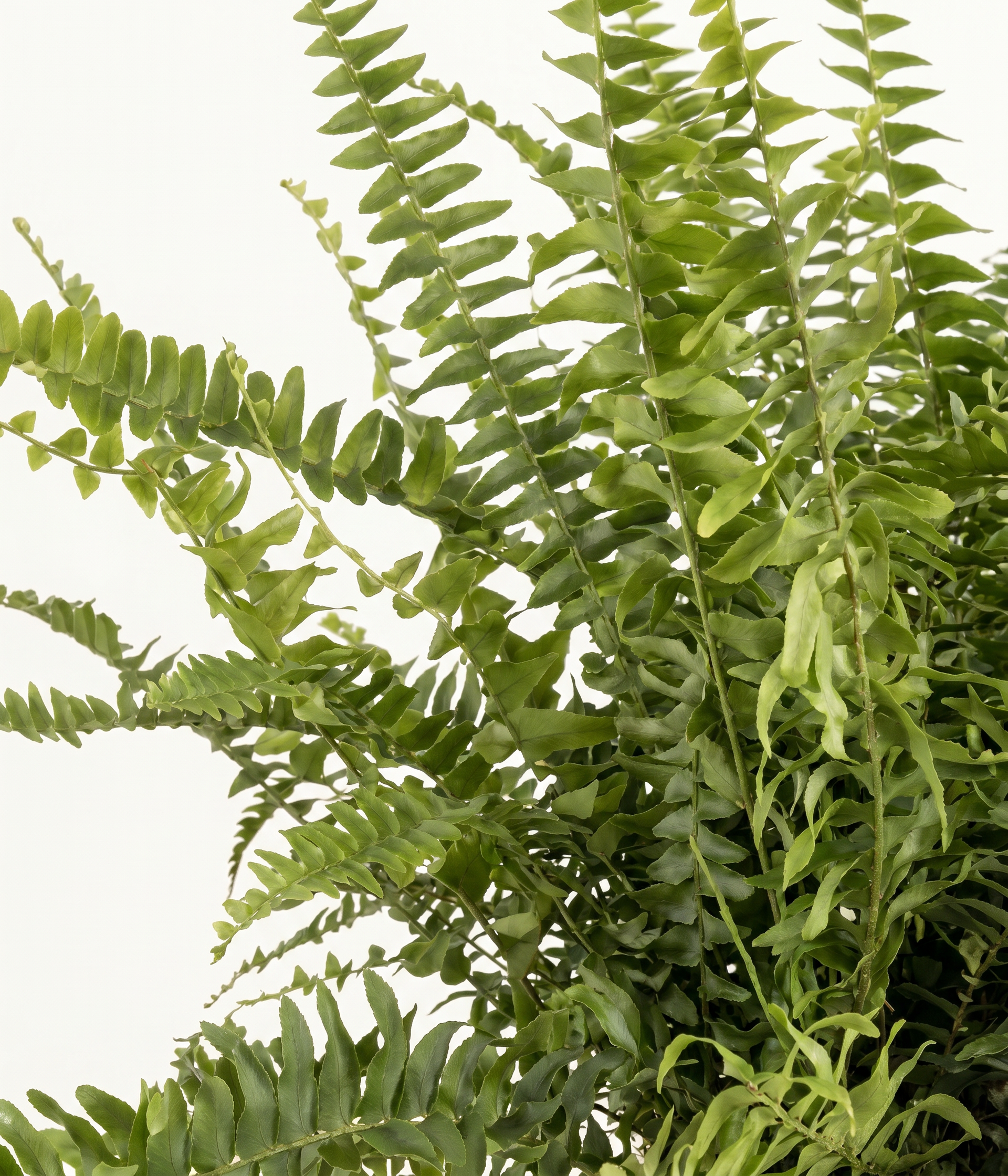
Boston Fern (Nephrolepis exaltata 'Bostoniensis') is a classic houseplant loved for its long, arching fronds and soft, feathery foliage that brings a fresh, natural feel to any room. Native to tropical and subtropical regions, it thrives indoors with consistent care and rewards you with lush, full growth. A medium Boston Fern makes an eye-catching addition to shelves, plant stands, or tables, adding vibrant greenery while fitting comfortably into most homes.
Other common names
- Nephrolepis exaltata
- Nephrolepis exaltata var. Bostoniensis
- Sword fern
- Wild Boston fern
- Tuber ladder fern
- Fishbone fern
How Often Should I Water My Boston Fern?
With easyplant, watering your Boston Fern is simple. Make sure to check the easyplant reservoir once every month and fill it if it's empty, and you're all set!


Boston Fern Light Needs
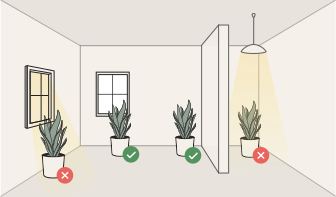
Boston Fern grows best in a space with bright indirect light, where the sun's rays are diffused, and can also adapt to spaces with medium to low light. Avoid placing it in spaces without natural light or in direct sunlight.
Position your Boston Fern a few feet away from a bright east- or north-facing window, or near a south- or west-facing window with a sheer curtain to soften the light. Too much direct sun can scorch the delicate fronds, while very low light may lead to slower growth and thinner foliage.

Boston Fern Plant Care
Boston Fern is an easy-going houseplant that stays looking its best with a little regular care. Gently remove dust from the fronds with a soft cloth or give the foliage a light rinse every now and then to help it absorb light efficiently. Turn your Boston Fern every few weeks to encourage even growth and prevent it from leaning towards the light. Trim away any yellow, brown, or damaged fronds at the base to keep the plant looking healthy and full, and lightly tidy any longer fronds to maintain its natural shape. If your Boston Fern eventually outgrows its pot, it's time to repot it. easyplant offers a repotting kit with everything you need, including a larger pot that's best used once the plant has clearly outgrown its current one, as the extra compost holds more moisture.
How Big Will My Boston Fern Grow?
A medium Boston Fern typically grows to around 60–90 cm tall and 90–120 cm wide indoors. It has a moderate growth rate and will usually produce 15–30 cm of new growth each year during spring and summer. Boston Fern is best grown indoors, where easyplant's self-watering system is designed to provide the most consistent care.
Temperature & Humidity
Boston Fern grows best in temperatures between 16°C and 24°C. Keep it away from cold draughts, radiators, fireplaces and air conditioning vents, as sudden changes in temperature can stress the plant and damage its fronds. Boston Fern prefers moderate to high humidity and does particularly well in naturally more humid rooms, such as kitchens or bathrooms, provided there is plenty of natural light.
Is Boston Fern Toxic to Pets & Children?
Boston Fern is considered non-toxic to cats, dogs and humans, making it a popular choice for homes with pets and children. While it isn't poisonous, chewing on the fronds may still cause an upset stomach if eaten in large quantities. It's best to keep your Boston Fern out of reach of curious pets and young children to help prevent unnecessary nibbling and keep the delicate fronds looking their best.
Troubleshooting Common Problems with Boston Fern
If your Boston Fern develops brown, crispy fronds, it's often a sign that the compost has become too dry or the air is very dry. If the fronds turn yellow or feel soft, the plant may be sitting in overly wet compost. For easyplant users, simply checking and refilling the reservoir on schedule helps prevent common watering mistakes. If you're watering by hand, allow the top 2–3 cm of compost to dry out slightly before watering again, and always empty any excess water from the saucer. It's also perfectly normal for older fronds near the base of the plant to brown and die back over time. If you notice pale growth or sparse foliage, move your Boston Fern to a brighter position with indirect light. Should you spot pests such as spider mites or scale, gently remove them with a damp cloth or cotton bud and check the plant regularly until they're gone.
Frequently Asked Questions about Boston Fern Plant
- How often should I water my Boston Fern?

With easyplant, simply check the reservoir once a month and refill it if needed. Without easyplant, water when the top 2–3 cm of compost feels dry.
- Why are the tips of my Boston Fern turning brown?
Brown tips are usually caused by the compost becoming too dry, low humidity or inconsistent watering. Keeping the compost evenly moist will help prevent this.
- Can my Boston Fern grow in low light?
Yes, Boston Fern can adapt to medium to low light, but it will grow best in bright, indirect light, where it will produce fuller, healthier foliage.
