# How to Care for Caladium lindenii

About Caladium lindenii
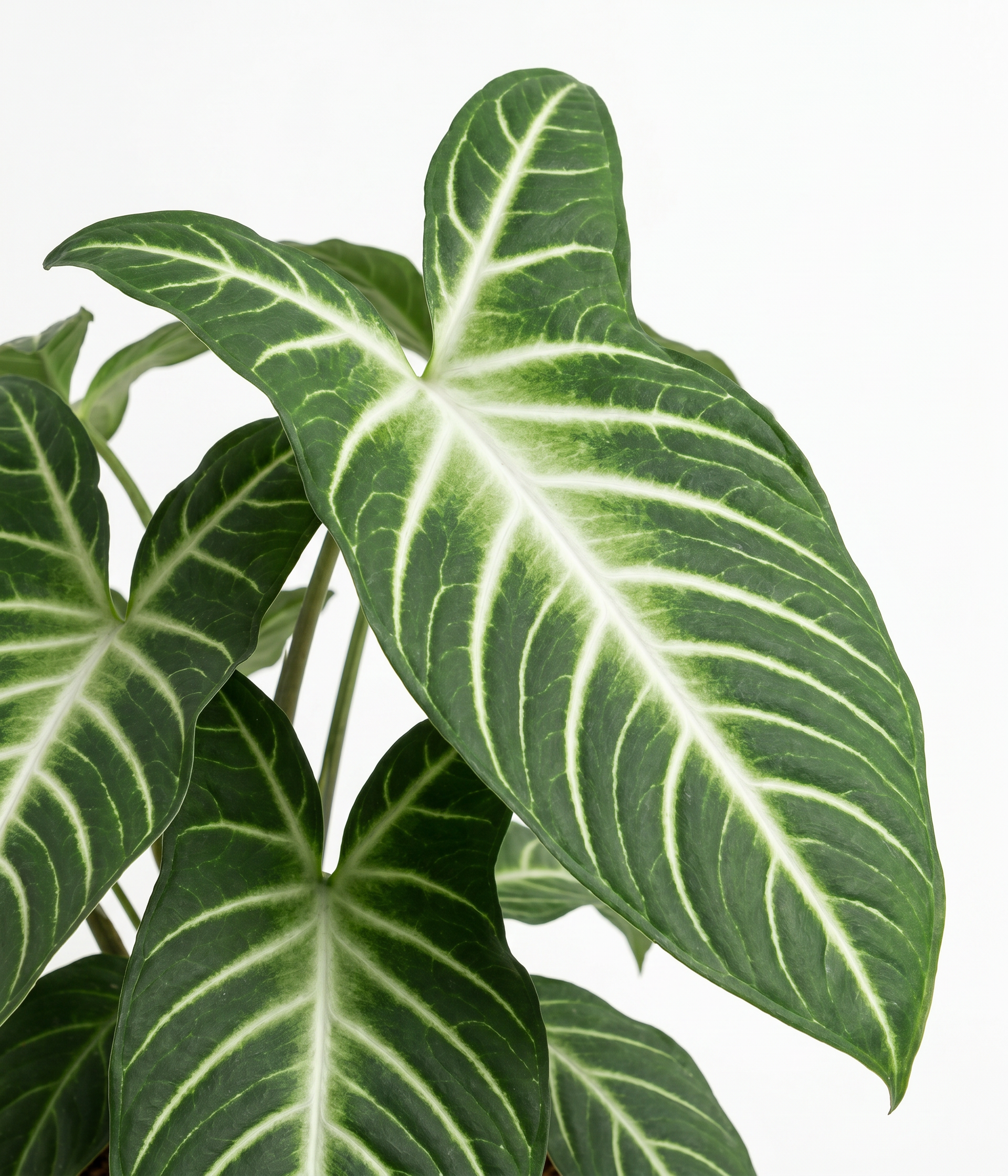
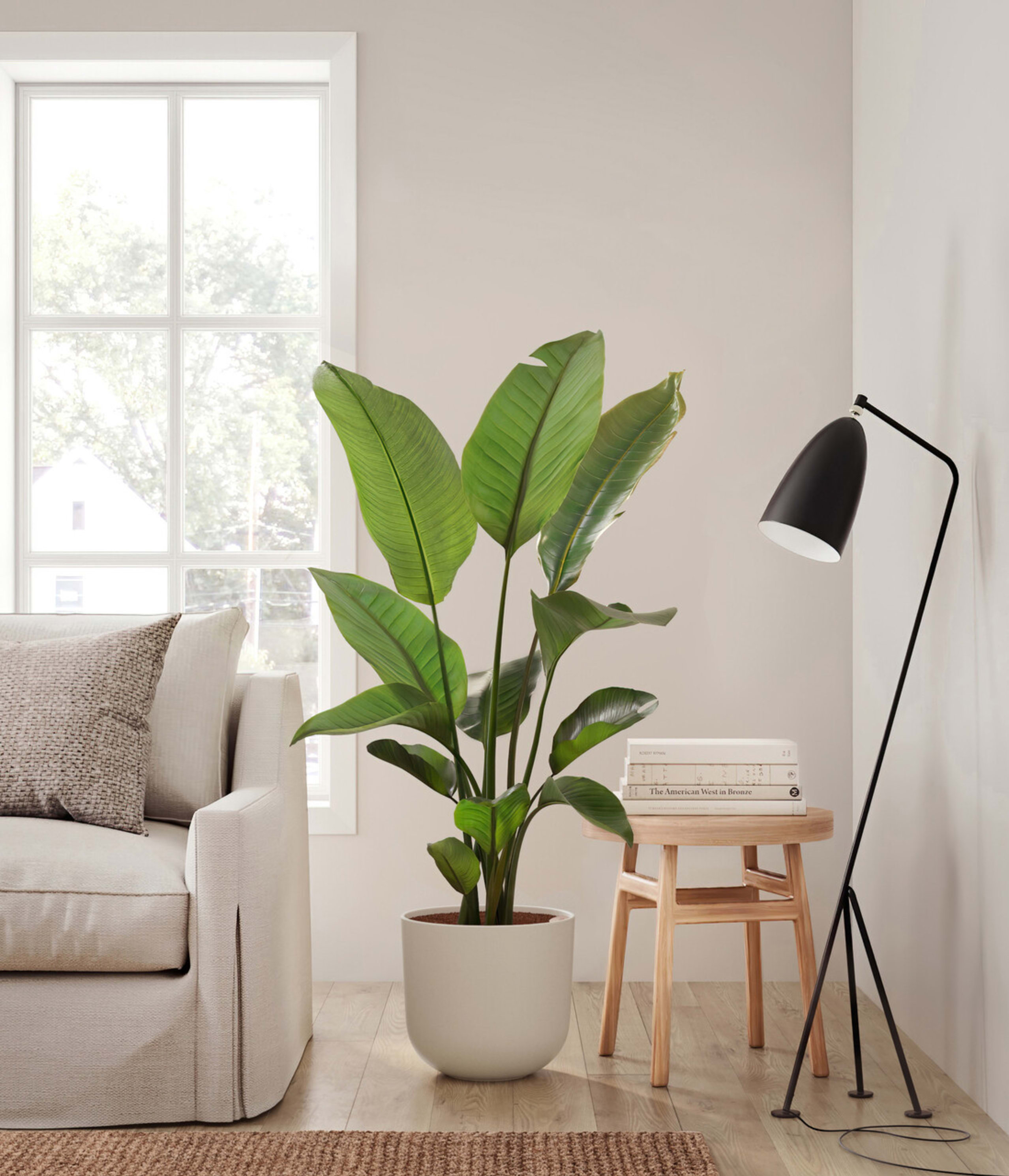
Caladium lindenii is a striking tropical plant grown for its dramatic foliage. Its deep green, arrow-shaped leaves are highlighted by bold white veins, giving it an elegant, almost hand-painted appearance that stands out in any indoor space. Native to the tropical rainforests of South America, Caladium lindenii thrives in warm, humid conditions with filtered light. While it has a more refined look than many houseplants, it's surprisingly easy to care for when given consistent moisture, bright indirect light, and a stable indoor environment.
Other common names
- Angel Wings
- Indian kale
- White Vein Arrow Leaf
- Yautia
How Often Should I Water My Caladium lindenii?
With easyplant, watering your Caladium lindenii is simple. Make sure to check the easyplant reservoir once every 1 month and fill it if empty, and you’re all set!


Caladium lindenii Light Needs
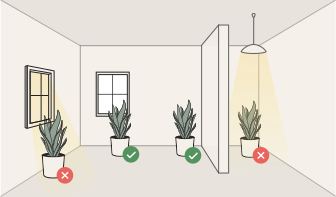
Caladium lindenii grows best in a space with bright indirect light, where the sun rays are diffused, and can also adapt to spaces with medium to low light. Avoid placing it in spaces without natural light or with direct sunlight. Place your Caladium lindenii a few feet away from a south- or west-facing window, or directly in front of an east- or north-facing window for the best results. If the light is especially intense, use a sheer curtain to help protect its delicate foliage from scorching.

Caladium lindenii Plant Care
Keep your Caladium lindenii looking its best by wiping its leaves regularly with a soft, damp cloth to remove dust and help the foliage absorb light efficiently. Rotate the pot every few weeks to encourage even growth and maintain its balanced shape. Prune away any yellow, damaged, or aging leaves at the base with clean scissors to keep the plant healthy and tidy. As your Caladium lindenii matures, it may eventually outgrow its pot. When that happens, repot it into a slightly larger container with fresh, well-draining soil. easyplant offers a repotting kit that makes this process simple, and it's best to use the larger pot only once your plant has clearly outgrown its current one, since it holds more soil.
How Big Will My Caladium lindenii Grow?
Caladium lindenii typically grows to 1–2 feet tall and 1–2 feet wide indoors. It has a moderate growth rate and can produce 6–12 inches of new growth each year when provided with bright indirect light, consistent watering, and warm temperatures. Its upright, elegant foliage makes it an excellent choice for adding a lush tropical accent to shelves, plant stands, or tabletops without taking up too much space.
Temperature & Humidity
Caladium lindenii thrives in temperatures between 65–80°F and prefers moderate to high humidity. Keep it away from cold drafts, air conditioning vents, exterior doors, and heating vents, as sudden temperature changes can stress the plant and damage its foliage. Avoid exposing your Caladium lindenii to temperatures below 60°F, as prolonged cold can slow growth and lead to leaf damage.
Is Caladium lindenii Toxic for Pets & Kids?
Yes. Caladium lindenii is considered toxic to both pets and people if ingested because it contains insoluble calcium oxalate crystals. Chewing on the leaves or stems can cause irritation of the mouth, tongue, and throat, along with drooling, vomiting, and difficulty swallowing. Keep your Caladium lindenii out of reach of curious pets and young children, and contact your veterinarian or healthcare provider right away if any part of the plant is eaten.
Troublesbleshooting Common Problems with Caladium lindenii
If your Caladium lindenii develops yellow leaves or soft, mushy stems, it's usually a sign of overwatering. For easyplant owners, keeping up with the recommended reservoir refill schedule helps prevent common watering mistakes. If you're watering manually, allow the top layer of soil to dry before watering again and make sure excess water drains freely from the pot. Brown, crispy leaf edges often indicate the air is too dry or the plant has been exposed to drafts or heating and cooling vents, so move it to a more stable location. Faded leaves or slow growth can mean your Caladium lindenii isn't getting enough bright indirect light, while scorched patches are a sign of too much direct sun. Older leaves near the base naturally yellow and die as the plant grows, so simply prune them away with clean scissors. If you notice pests like spider mites or mealybugs, wipe them off with a cotton swab and inspect the plant regularly until the infestation is gone. Taking quick action at the first sign of stress will help your Caladium lindenii recover and continue producing beautiful foliage.
Frequently Asked Questions about Caladium Lindenii Plant
- Why are my Caladium lindenii's leaves turning yellow?

Yellow leaves are most commonly caused by overwatering or poor drainage, though older leaves at the base will naturally yellow and drop as the plant grows. Check the soil moisture and remove any aging foliage with clean scissors.
- Why are the edges of my Caladium lindenii's leaves turning brown?
Brown leaf edges are usually a sign of dry air, inconsistent watering, or exposure to drafts or heating and cooling vents. Keep the plant in a stable indoor environment and maintain consistent soil moisture.
- Can Caladium lindenii grow in low light?
Caladium lindenii can adapt to medium or low light, but it grows best in bright indirect light. Providing enough light will encourage larger leaves, stronger growth, and more vibrant leaf variegation.
 Small Plants
 Medium Plants
 Plants Collections
 Large Plants
 Huge Plants