How to Care for Cordyline

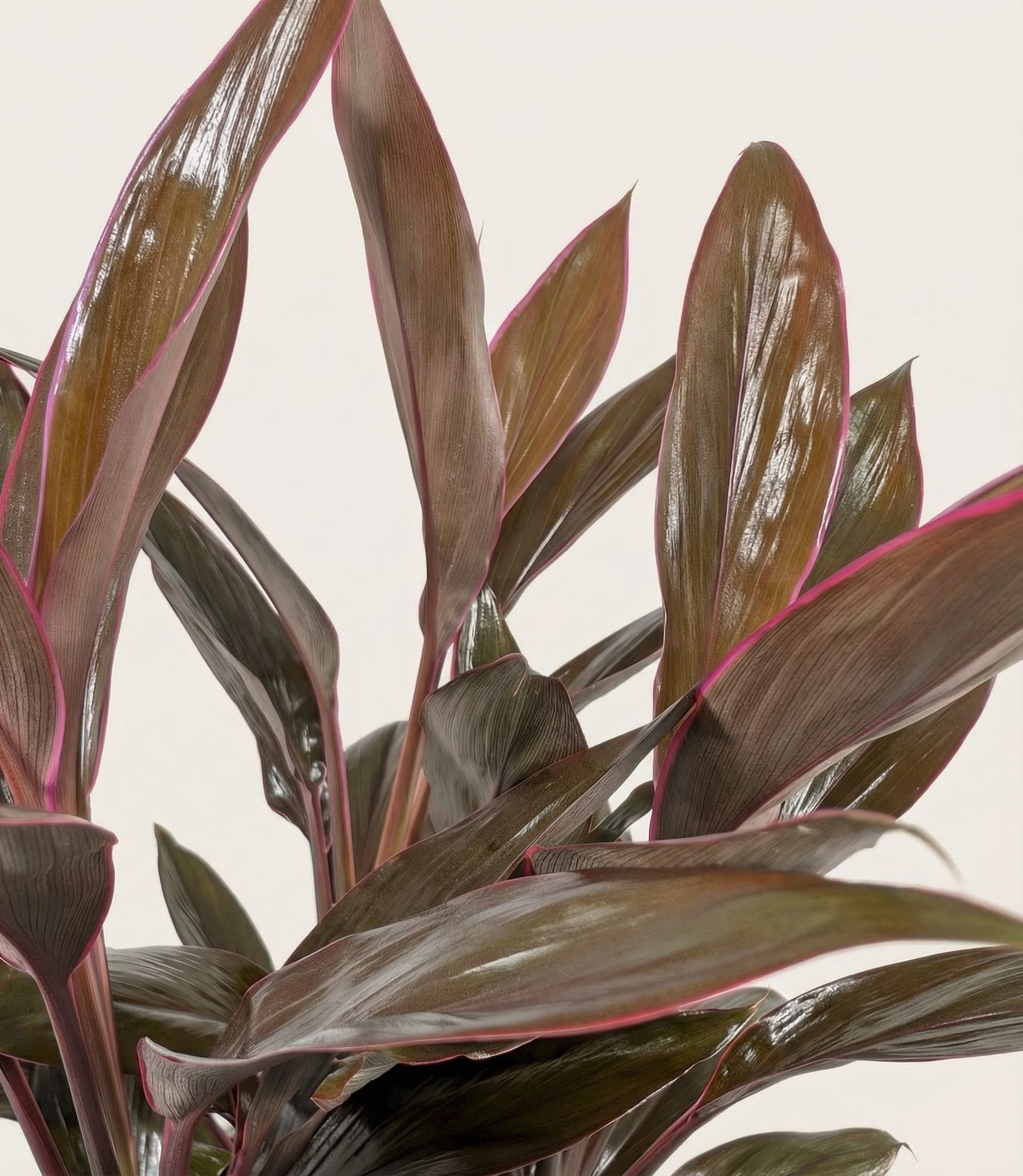
About Cordyline
Cordyline is a striking, tropical-looking plant known for its long, sword-shaped leaves that often feature vibrant shades of green, red, pink, or purple. Native to Southeast Asia and the Pacific Islands, Cordyline adds a bold, architectural touch to indoor spaces while remaining relatively easy to care for, making it a great choice for both new and experienced plant owners.
Other common names
- Cordyline Fruticosa
- Ti Plant
- Palm Lily
- Cabbage Palm
How Often Should I Water My Cordyline?
With easyplant, watering your Cordyline is simple. Make sure to check the easyplant reservoir once every 1 month and fill it if empty, and you’re all set!


Cordyline Light Needs
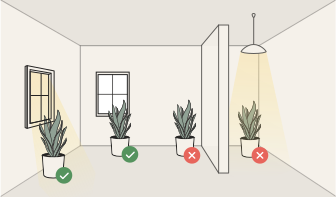
Cordyline grows best in a well lit space with bright indirect sunlight, and can adapt to both direct sunlight and low light. Avoid placing it in spaces without natural sunlight.
Place your Cordyline near an east or south-facing window for best colour and growth, and if it receives strong direct sun, soften it with a sheer curtain to prevent leaf scorching while still keeping its vibrant foliage.

Cordyline Plant Care
Keep your Cordyline looking its best by wiping its leaves regularly to remove dust and help it absorb light more efficiently, rotating the plant every few weeks to encourage even growth, and trimming any yellowing or damaged leaves to maintain its shape. Prune lightly as needed to control height and encourage fuller growth, especially if it becomes leggy.
How Big Will My Cordyline Grow?
Indoors, Cordyline typically grows between 90 to 180 cm tall and about 60 to 90 cm wide, depending on the variety and care it receives. It has a moderate growth rate, usually adding around 10–30 cm of new growth each year when placed in the right lighting conditions and given consistent care, making it a great statement plant that gradually fills out your space without becoming overwhelming.
Temperature & Humidity
Cordyline thrives in typical indoor temperatures between 18–27°C and prefers a stable environment without sudden fluctuations. Keep it away from cold draughts, open windows in winter, and direct airflow from heaters or air conditioning units, as these can cause leaf damage. While it can tolerate average household humidity, it will do best in a space that isn’t overly dry, helping maintain its vibrant, healthy foliage.
Is Cordyline Toxic for Pets & Kids?
Yes, Cordyline is considered toxic to pets such as cats and dogs if ingested, as it contains compounds that can cause symptoms like drooling, vomiting, and loss of appetite. It’s best to keep your Cordyline out of reach of curious pets and small children who may be tempted to chew on its leaves, and always wash your hands after handling if sap is present to avoid mild irritation.
Troubleshooting Common Problems with Cordyline
If your Cordyline is showing yellowing or mushy leaves, it’s often a sign of overwatering- if you’re using easyplant, make sure you’re only refilling the reservoir once every 1 month, and if not, allow the soil to dry out more between waterings before watering again. Brown leaf tips or edges can indicate dry air or inconsistent watering, so keep conditions steady and avoid placing the plant near vents or draughts. If leaves are fading or losing their vibrant colour, your Cordyline likely needs more light - move it closer to a brighter window while avoiding harsh direct sun. It’s also normal for older leaves at the base to dry out and fall off over time, so simply trim them to keep your plant looking fresh. If you notice pests, gently wipe the leaves with a damp cloth or cotton swab to remove them and keep the foliage clean.
Frequently Asked Questions about Cordyline Plant
- How do I know if my Cordyline needs water?

Check the top 5–7 cm of soil - if it feels dry, it’s time to water. If you’re using easyplant, simply stick to the once-a-month reservoir refill schedule to avoid guesswork.
- Why are my Cordyline’s leaves turning brown?
Brown tips or edges are usually caused by dry air, inconsistent watering, or exposure to draughts. Move your Cordyline to a more stable spot and keep watering consistent.
- Can Cordyline grow in low light?
Cordyline can adapt to lower light conditions, but its colours may fade and growth may slow. For best results, place your Cordyline in bright, indirect light to maintain its vibrant appearance.
 Small Plants
 Medium Plants
 Plants Collections
 Large Plants
 Huge Plants