How to Care for Dracaena Lemon Lime
Shop this plant
About Dracaena Lemon Lime
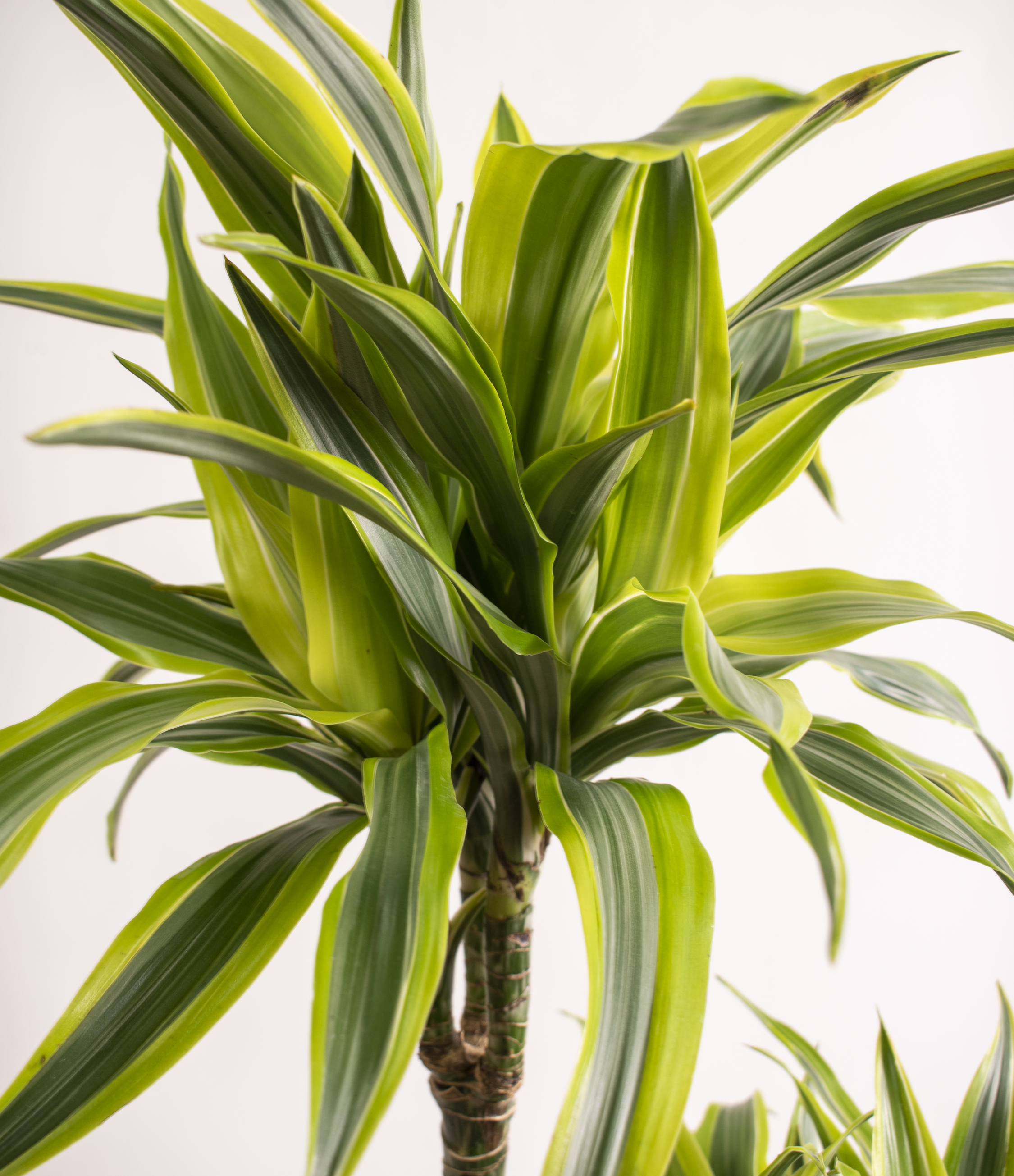
The Dracaena Lemon Lime belongs to the Asparagaceae, or asparagus, plant family and is native to Africa. Its striking lime-green and deep green leaves grow in a vibrant rosette formation, bringing a bold tropical feel to any indoor space. Highly adaptable, easy to care for, and known for its air-purifying qualities, it makes a wonderful addition to your home or a thoughtful gift for someone special.
Other common names
- Warneckii Lemon Lime
- Lemon Lime
- Dracaena Deremensis
How Often Should I Water My Dracaena Lemon Lime?
In its natural habitat, this plant is accustomed to consistently moist soil that drains well and never becomes waterlogged. Luckily, with easyplant, watering your Dracaena Lemon Lime is simple. Check the easyplant reservoir once a month and refill it when empty.


Dracaena Lemon Lime Light Needs
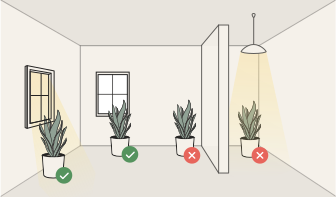
Dracaena Lemon Lime grows best in bright indirect light, where sunlight is filtered and softened. It can also adapt to bright direct light for parts of the day. Avoid placing it in low-light spaces or rooms without natural sunlight.
The ideal spot for your Dracaena Lemon Lime is near a south-facing window with plenty of bright light. As this plant can be sensitive to scorching, diffuse intense sunlight with a sheer curtain if necessary.

Dracaena Lemon Lime Plant Care
Providing enough bright, filtered light will help your Dracaena Lemon Lime maintain its vivid variegation. To encourage even growth, dust the leaves occasionally with a microfibre cloth and rotate the pot by a quarter turn once a month.
How Big Do Dracaena Lemon Lime Plants Grow?
Dracaena Lemon Lime grows relatively slowly and can eventually reach around 1.5-2.1 metres tall indoors.
Temperature & Humidity
The ideal temperature range for a Dracaena Lemon Lime is 21-24°C. It can tolerate temperatures as low as 16°C, but anything colder may begin to affect the plant’s health.
Native to the tropical rainforests of Central Africa, this plant prefers higher humidity levels. Aim for humidity around 50% or higher. If your home is particularly dry, you can increase humidity by using a humidifier, placing the plant near a pebble tray filled with water, grouping it with other plants, or positioning it in naturally humid spaces such as a kitchen or bathroom.
Are Dracaena Lemon Lime Toxic for Pets & Kids?
While Dracaena Lemon Lime is not considered toxic to humans, all Dracaena varieties contain saponins, which are mildly toxic to pets if ingested. Symptoms may include lethargy, vomiting, and digestive upset. For this reason, it is best to keep the plant out of reach of pets. Dracaena Lemon Lime affects cats and dogs similarly. If your pet has ingested part of the plant and appears unwell, contact your veterinarian promptly.
Troubleshooting Common Problems with Dracaena Lemon Lime
Part of plant care is observing how your plant is faring in its environment so you can make adjustments if needed. Every houseplant will show different signs when it is not doing well. Here are a few things to look out for with the Dracaena Lemon Lime and how to fix them. If the leaves on your Dracaena Lemon Lime begin to lose their vibrant colouring, move the plant closer to a brighter light source. Often, the leaves will become greener and less variegated if they are not receiving enough light. If the tips of the leaves begin to brown or become discoloured, this may be a sign that the plant is not getting enough humidity. Increase the humidity in the space by grouping plants together, using a pebble tray, or adding a humidifier nearby. If you notice drooping leaves, this could indicate underwatering. Be sure to check the soil regularly, and over time you will learn the right watering routine for your plant. Typically, plants require more water during the growing season and less during winter when growth slows down. If your plant’s leaves develop brown spots, the foliage may be scorching from too much direct sunlight. Move the Dracaena Lemon Lime slightly away from the window while still keeping it in a bright space, or use a sheer curtain to diffuse the sunlight. If the leaves begin turning yellow or brown, this may be caused by fluoride sensitivity from tap water. Flush the soil thoroughly and switch to distilled or rainwater if possible. If the stems also become soft or mushy, the plant may be suffering from root rot caused by overwatering or poor drainage. Remove the affected parts of the root ball, repot the plant into fresh well-draining soil, and always check the soil before watering. Dracaena Lemon Lime can also be affected by pests, most commonly mealybugs or spider mites. You may notice yellow or white speckling on the leaves or fine webbing underneath the foliage. Rinse away pests thoroughly and treat the leaves with neem oil or insecticidal soap if necessary.
Frequently Asked Questions about Dracaena Lemon Lime Plant
- How Fast Do Dracaena Lemon Lime Grow?
 The Dracaena Lemon Lime is a slow-growing plant. It only adds 6 inches to its growth annually and takes ten years to reach full maturity. Growth can be slowed down even further if their living conditions are inadequate, meaning they are not getting enough light, humidity, water, or in the right temperature.
 - What Temperature Do Dracaena Lemon Limes Like?
The Lemon Lime Dracaena is native to the tropical rainforests of Africa, so they enjoy high temperatures. The ideal temperature for this plant is between 70-75˚F (21-24˚C). They can tolerate temperatures as low as 60˚F (16˚C), but anything lower will start to affect the plant's health.
- How Often Do You Water a Dracaena Lemon lime?Dracaena Lemon Lime enjoys moist soil but can be prone to root rot if overwatered. If you don't have a self-watering pot like easyplant, check the first 1-2 inches of soil before watering. If dry, water the soil till thoroughly moistened. If the soil is wet, don't water it; check again the next day.


