How to Care for Peperomia Ginny


About Peperomia Ginny
Peperomia Ginny, also known as Peperomia Clusiifolia ‘Ginny’, is a colorful tropical houseplant known for its thick, glossy leaves edged in creamy white and soft pink. Native to Central and South America, Peperomia Ginny stays compact and bushy, making it an excellent choice for desks, shelves, and small indoor spaces. Its fleshy leaves help it store water, which makes this plant relatively forgiving and easy to care for indoors.
Other common names
- rainbow peperomia
- tricolor peperomia
- pink edge peperomia
- rainbow ginny
- peperomia jelly
How Often Should I Water My Peperomia Ginny?
With easyplant, watering your Peperomia Ginny is simple. Make sure to check the easyplant reservoir once every 2 months and fill it if empty, and you’re all set!


Peperomia Ginny Light Needs
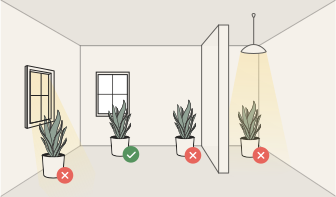
Peperomia Ginny grows best in a space with bright indirect light, where the sun rays are diffused. Avoid placing it in spaces with low light, direct sunlight or spaces without natural light.
Placing Peperomia Ginny near an east- or north-facing window works well, or a few feet back from a bright south- or west-facing window where the light is softened, helping the plant maintain its vibrant pink and cream leaf edges.

Peperomia Ginny Plant Care
Peperomia Ginny is a low-maintenance plant that benefits from a little regular upkeep to stay healthy and full. Gently wipe the leaves with a soft cloth from time to time to remove dust so the plant can absorb light more efficiently, and rotate Peperomia Ginny every few weeks to encourage even growth on all sides. If the plant begins to look leggy or uneven, trim back longer stems to help maintain its compact shape. As Peperomia Ginny grows, it may eventually outgrow its pot; repotting is a natural part of growth, and easyplant offers a repotting kit designed to make the process simple once the plant clearly outgrows its current pot, since the larger pot holds more soil.
How Big Will My Peperomia Ginny Grow?
Peperomia Ginny is a compact indoor plant that typically grows 8–12 inches tall and spreads about 10–14 inches wide when mature. Indoors, it grows at a moderate pace and may add a few inches of growth each year when placed in bright indirect light and given consistent care. Its naturally bushy growth habit helps it stay full and rounded, making Peperomia Ginny a great plant for shelves, desks, and small indoor spaces.
Temperature & Humidity
Peperomia Ginny grows best in typical indoor temperatures between 65–80°F and prefers stable conditions without sudden temperature swings. Keep Peperomia Ginny away from cold drafts, frequently opened doors, air conditioning vents, and heaters, as these can stress the plant and cause leaf drop or browning edges. This plant adapts well to average indoor humidity levels found in most homes, making it comfortable in living rooms, bedrooms, and offices.
Is Peperomia Ginny Toxic for Pets & Kids?
Peperomia Ginny is considered non-toxic to pets and humans, making it a safer choice for homes with cats, dogs, and children. However, it’s still best to keep Peperomia Ginny out of reach of curious pets and kids, as chewing on the leaves may cause mild stomach upset. If a pet or child ingests part of the plant and shows unusual symptoms, contact a veterinarian or medical professional for guidance.
Troubleshooting Common Problems with Peperomia Ginny
If your Peperomia Ginny shows yellowing, drooping, or mushy leaves, the most common cause is excess moisture. For easyplant users, keeping up with the 2-month reservoir refill schedule helps prevent overwatering issues. If you’re watering manually, allow the top 1–2 inches of soil to dry before watering again and ensure the pot drains properly. If you notice a few leaves drying or dropping near the base, this can be a normal part of the plant’s natural growth cycle. Pale leaves or stretched stems usually indicate that Peperomia Ginny needs brighter indirect light, while brown edges may signal drafts or sudden temperature changes - move the plant to a stable spot away from vents or doors and remove any damaged leaves.
Frequently Asked Questions about Peperomia Ginny Plant
- How often should I water Peperomia Ginny?

With easyplant, simply check the reservoir every 2 months and refill it if it’s empty. If you’re watering manually, wait until the top 1–2 inches of soil are dry before watering again to avoid overwatering.
- Why are the leaves on my Peperomia Ginny dropping?
Leaf drop can happen if Peperomia Ginny is exposed to sudden temperature changes, drafts, or inconsistent watering. Move the plant to a stable indoor location with bright indirect light and follow a consistent watering routine.
- Why are my Peperomia Ginny leaves losing their color?
If the pink and cream edges start to fade, Peperomia Ginny likely needs more light. Move it closer to a bright window where it can receive strong indirect sunlight while avoiding direct sun on the leaves.
 Small Plants
 Medium Plants
 Plants Collections
 Large Plants
 Huge Plants