How to Care for Philodendron Orange Marmalade

About Philodendron Orange Marmalade
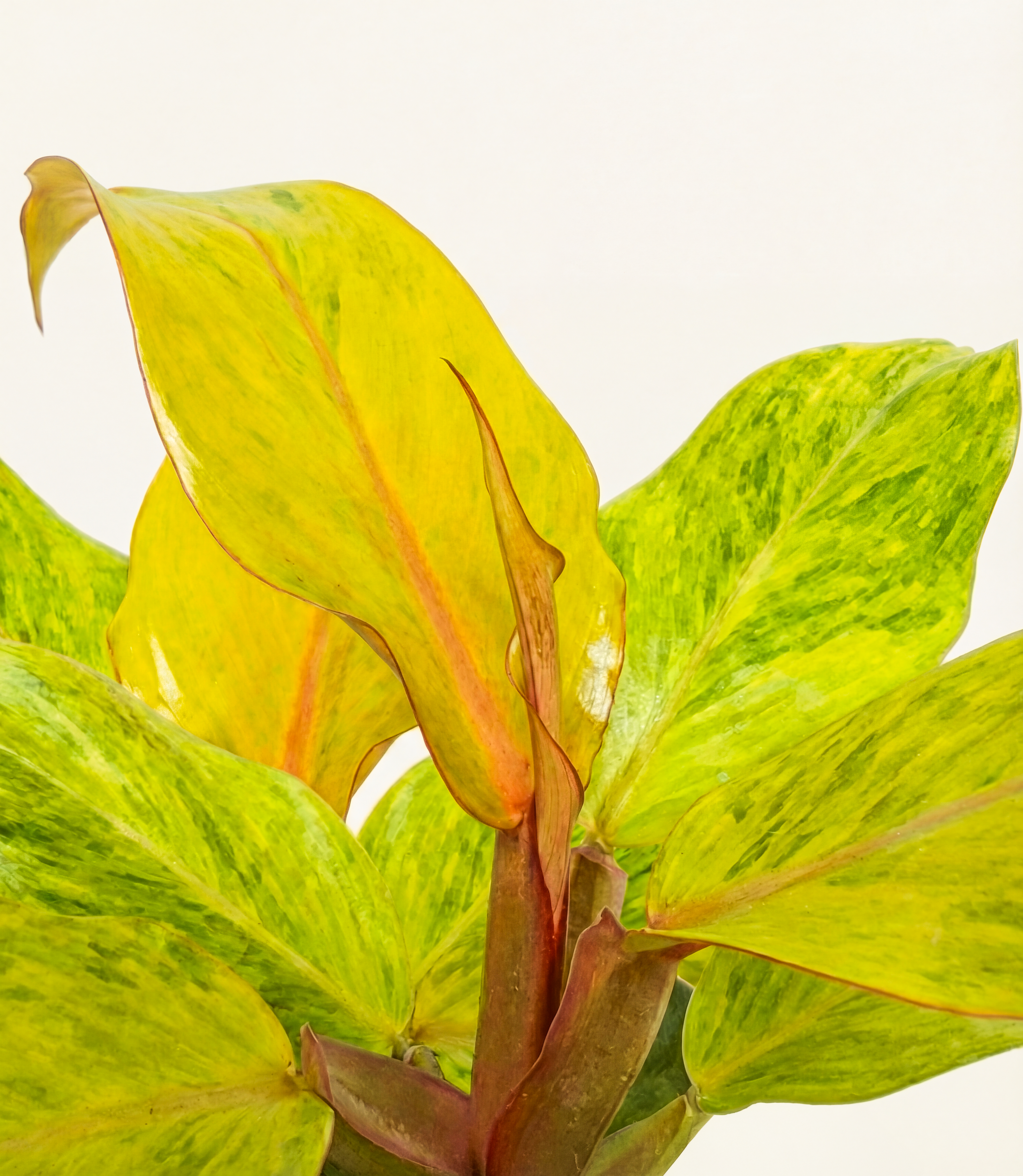
Philodendron Orange Marmalade is a rare and eye-catching tropical plant loved for its vibrant, marbled foliage. Its broad leaves emerge in bright shades of orange and copper before maturing into a mix of green splashed with warm golden tones, giving it a constantly evolving look. As a compact, upright grower, Philodendron Orange Marmalade makes a bold statement without taking up too much space, making it perfect for bright indoor areas where its colorful leaves can truly stand out.
Other common names
- Orange Marmalade Philodendron
- Orange Marmalade
- Quadcolor Philodendron
How Often Should I Water My Philodendron Orange Marmalade?
With easyplant, watering your Philodendron Orange Marmalade is simple. Make sure to check the easyplant reservoir once a month and fill it if empty, and you’re all set!


Philodendron Orange Marmalade Light Needs
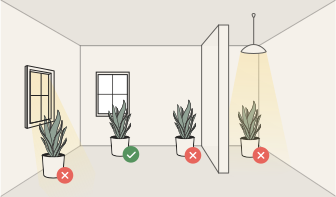
Philodendron Orange Marmalade grows best in a space with bright indirect light, where the sun rays are diffused. Avoid placing it in spaces with low light, direct sunlight or spaces without natural light.
Place Philodendron Orange Marmalade a few feet away from a south- or west-facing window, or directly in front of an east-facing window with sheer curtains if the light feels strong. Direct sun can scorch its colorful leaves and fade the vibrant orange tones, while too little light can cause slower growth and duller foliage.

Philodendron Orange Marmalade Plant Care
Philodendron Orange Marmalade is a relatively low-maintenance plant that benefits from simple, consistent care. Dust its leaves gently with a soft, dry cloth to keep them clean and able to absorb light efficiently. Rotate the pot every few weeks to encourage even growth and prevent it from leaning toward the light source. Prune any yellowing or damaged leaves at the base to maintain its shape and encourage healthy new growth. If your Philodendron Orange Marmalade clearly outgrows its pot, repotting is a natural next step - easyplant offers a repotting kit designed to make the process simple, and the larger pot should only be used once the plant has truly outgrown its current one, since it holds more soil.
How Big Will My Philodendron Orange Marmalade Grow?
Philodendron Orange Marmalade typically grows to about 2 to 3 feet tall indoors, with leaves reaching up to 10 to 14 inches long when mature. It has a moderate growth rate and can grow several inches per year under ideal indoor conditions with bright indirect light. Because easyplant systems are designed for indoor environments and controlled watering, Philodendron Orange Marmalade should be kept indoors for best health and consistent growth.
Temperature & Humidity
Philodendron Orange Marmalade thrives in typical indoor temperatures between 65°F and 80°F. Avoid exposing it to temperatures below 55°F, as cold stress can damage the foliage and slow growth. Keep Philodendron Orange Marmalade away from cold drafts, open windows in winter, air conditioning vents, and heating units, as sudden temperature changes can cause leaf discoloration or drooping. It prefers average indoor humidity levels, making it well suited for most homes.
Is Philodendron Orange Marmalade Toxic for Pets & Kids?
Yes, Philodendron Orange Marmalade is toxic if ingested. Like other philodendrons, it contains calcium oxalate crystals that can cause irritation to the mouth, lips, tongue, and throat if chewed or swallowed. This can lead to drooling, discomfort, or mild swelling in both pets and children. Keep Philodendron Orange Marmalade out of reach of cats, dogs, and small children, and contact a medical professional or veterinarian immediately if ingestion is suspected.
Troubleshooting Common Problems with Philodendron Orange Marmalade
If your Philodendron Orange Marmalade develops yellow leaves, first check watering. For easyplant users, make sure you are refilling the reservoir once a month and not adding extra water from the top, as overwatering is the most common cause. If you are not using easyplant, allow the top 2 inches of soil to dry before watering again and ensure the pot drains fully. If leaves look pale or the orange tones fade, move Philodendron Orange Marmalade closer to bright indirect light. Brown, crispy edges may indicate dry air or exposure to drafts, so relocate the plant away from vents or windows. If you notice small pests like spider mites or mealybugs, gently wipe the leaves with a damp cloth or use a cotton swab to remove them. It is also normal for older leaves at the base to yellow and drop as the plant matures - simply trim them off with clean scissors. Always identify the symptom first, adjust one condition at a time, and monitor the plant for improvement.
Frequently Asked Questions about Philodendron Orange Marmalade Plant
- Does Philodendron Orange Marmalade climb or stay compact?

Philodendron Orange Marmalade has a more upright, compact growth habit compared to vining philodendrons. It maintains a full, bushy appearance indoors without needing support.
- Why are the new leaves more orange than the older ones?
New growth on Philodendron Orange Marmalade emerges in bright orange or copper tones and gradually matures into green with golden marbling. This color shift is completely natural and part of what makes the plant unique.
- Can Philodendron Orange Marmalade tolerate low light?
Philodendron Orange Marmalade can adapt to medium or lower light conditions, but growth may slow and its vibrant coloring may become less pronounced. For the best color and steady growth, keep it in bright indirect light.
 Small Plants
 Medium Plants
 Plants Collections
 Large Plants
 Huge Plants