How to Care for Philodendron Snowdrift

About Philodendron Snowdrift
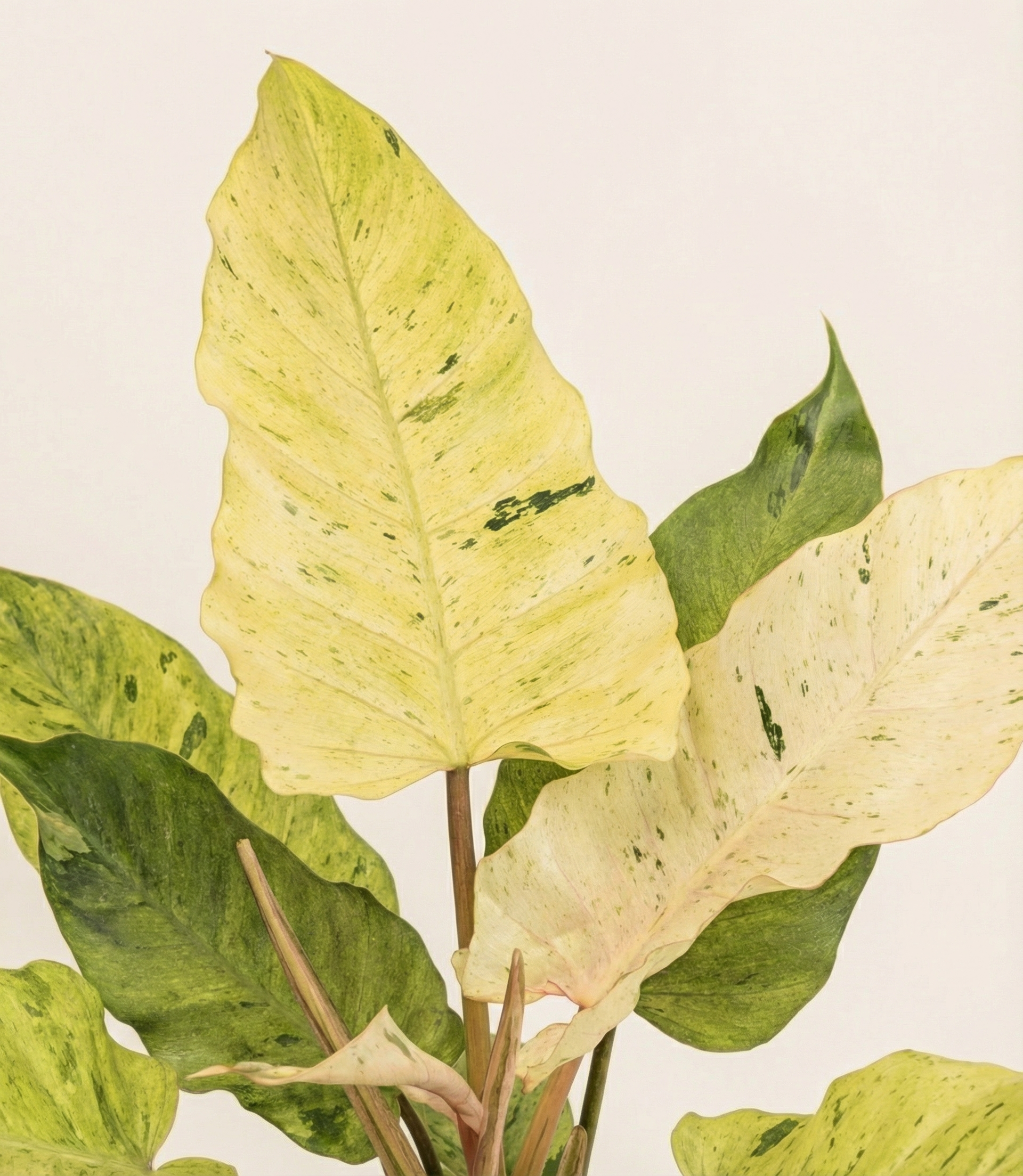
Philodendron Snowdrift is a striking tropical plant known for its large, heart-shaped leaves splashed with creamy white and soft green variegation that often deepens in color as the foliage matures. Each leaf emerges with unique patterns, making every plant one of a kind. Native to tropical regions of Central and South America, Philodendron Snowdrift thrives indoors as a statement plant thanks to its upright growth habit and bold, textured foliage that brings a lush, modern feel to any space.
Other common names
- Snowdrift Philodendron
- Philodendron hybrid 'Snowdrift'
- Philodendron 'Green Moss' Variegata
How Often Should I Water My Philodendron Snowdrift?
With easyplant, watering your Philodendron Snowdrift is simple. Make sure to check the easyplant reservoir once a month and fill it if empty, and you’re all set!


Philodendron Snowdrift Light Needs
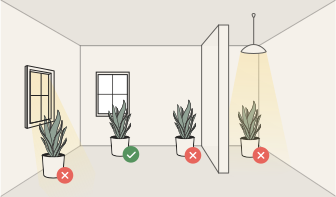
Philodendron Snowdrift grows best in a space with bright indirect light, where the sun rays are diffused. Avoid placing it in spaces with low light or direct sunlight.
Place Philodendron Snowdrift a few feet away from a south- or west-facing window, or directly in front of an east-facing window with sheer curtains to soften the light. Too much direct sun can scorch its creamy variegated leaves, while too little light may cause slower growth and less pronounced variegation, so aim for steady, filtered brightness throughout the day.

Philodendron Snowdrift Plant Care
Philodendron Snowdrift is a relatively low-maintenance plant that benefits from simple, consistent care. Gently dust its large leaves every few weeks to keep them clean and able to absorb light efficiently, and rotate the pot every month to encourage even growth and a balanced shape. Prune any yellowing or damaged leaves at the base using clean shears to keep Philodendron Snowdrift looking tidy and to support healthy new growth. If the plant becomes top-heavy or outgrows its container, repotting is a natural next step—easyplant offers a repotting kit designed to make the process simple. Only move Philodendron Snowdrift to a slightly larger pot once it has clearly outgrown its current one, as a larger pot holds more soil and retains more moisture.
How Big Will My Philodendron Snowdrift Grow?
Philodendron Snowdrift can grow up to 3–5 feet tall indoors, with large leaves that may reach 8–12 inches long when mature. It has a moderate growth rate and can grow several inches per year during the spring and summer growing seasons when given proper light and consistent care. Indoors, it maintains a full, upright shape, making it a bold statement plant without becoming unmanageable in size. For best results, keep Philodendron Snowdrift indoors, as easyplant’s self-watering system is designed specifically for stable indoor conditions.
Temperature & Humidity
Philodendron Snowdrift thrives in typical indoor temperatures between 65–80°F and prefers stable conditions year-round. Avoid exposing Philodendron Snowdrift to temperatures below 55°F, as cold stress can damage its foliage. Keep it away from drafty windows, exterior doors, air conditioning vents, and heating units, since sudden temperature changes can cause leaf curling or browning edges. This plant adapts well to average household humidity, but it will appreciate a space that isn’t overly dry, especially during winter months when indoor heating is running.
Is Philodendron Snowdrift Toxic for Pets & Kids?
Yes, Philodendron Snowdrift is toxic if ingested by pets or children. Like other philodendrons, it contains calcium oxalate crystals, which can cause irritation of the mouth, lips, tongue, and throat if chewed or swallowed. In pets, symptoms may include drooling, pawing at the mouth, vomiting, or difficulty swallowing. To keep everyone safe, place Philodendron Snowdrift out of reach of curious pets and small children, and contact a medical professional or veterinarian right away if ingestion is suspected.
Troubleshooting Common Problems with Philodendron Snowdrift
If your Philodendron Snowdrift is showing yellow leaves, check the watering first - overwatering is the most common cause. With easyplant, staying consistent with the reservoir refill schedule helps prevent watering mistakes. If you’re not using easyplant and the soil feels soggy, allow the top few inches to dry out before watering again and ensure the pot drains fully. Brown, crispy edges usually point to too much direct sun or exposure to dry air or drafts, so move Philodendron Snowdrift to a spot with bright, indirect light and stable temperatures. If leaves look pale or growth slows, the plant may need more light—gradually move it closer to a brighter window. It’s also normal for a few older leaves near the base to yellow and drop as the plant matures; simply prune them with clean shears to keep the plant healthy and focused on new growth.
Frequently Asked Questions about Philodendron Snowdrift Plant
- Why are the leaves on my Philodendron Snowdrift turning yellow?

Yellow leaves are most often caused by overwatering. If you’re using easyplant, make sure you’re only refilling the reservoir when it’s empty. If not, allow the top 2 inches of soil to dry before watering again and ensure the pot has proper drainage.
- Why is my Philodendron Snowdrift losing its variegation?
Fading variegation usually means Philodendron Snowdrift isn’t getting enough light. Move it to a brighter spot with indirect sunlight to help maintain its creamy white patterns.
- How do I keep my Philodendron Snowdrift full and bushy?
Rotate Philodendron Snowdrift every few weeks for even growth and prune leggy stems with clean shears to encourage a fuller shape. Consistent light and proper watering will also support compact, healthy growth.
 Small Plants
 Medium Plants
 Plants Collections
 Large Plants
 Huge Plants