How to Care for Satin Pothos
Shop this plant
About Satin Pothos
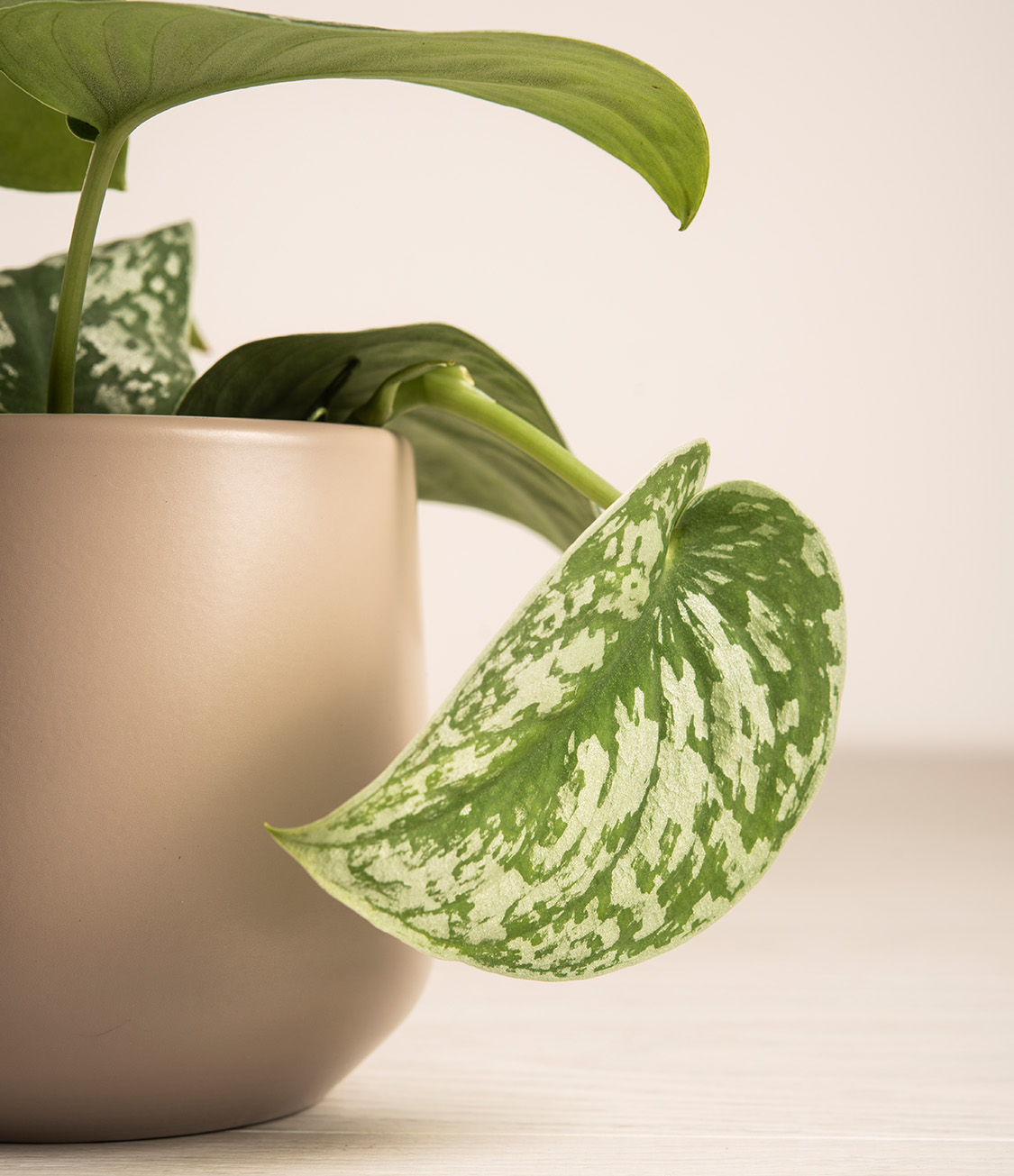
Satin Pothos (Scindapsus pictus), also known as Silver Pothos, Devil’s Ivy, or silver vine, is a graceful trailing plant prized for its velvety, forest-green leaves brushed with soft silvery-sage markings that give it a calm, elegant look. Native to the Pacific Islands, it’s admirably resilient and easy to live with indoors, sending out vines that can trail from a shelf or hang beautifully while staying naturally lush and forgiving as long as its basic light and watering needs are met.
Other common names
- Silver Satin Pothos
- Devil's Ivy
- Satin pothos
- Scindapsus pictus (scientific name)
- silver vine
How Often Should I Water My Satin Pothos?
With easyplant, watering your Satin Pothos is simple. Make sure to check the easyplant reservoir once every month and fill it if empty, and you’re all set!


Satin Pothos Light Needs
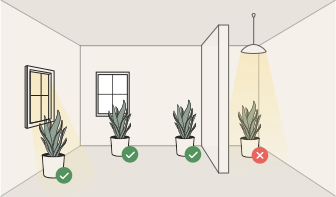
Satin Pothos grows best in a well lit space with bright direct or indirect sunlight, and can adapt to spaces with medium to low light, where the source of light is further away. Avoid placing it in spaces without natural sunlight.
For best results, place Satin Pothos near an east- or west-facing window where it gets plenty of bright light without harsh midday sun, and keep it a little back from the glass if direct rays hit the leaves. If growth slows or the silver markings fade, move Satin Pothos closer to the window; if you notice scorched patches or crisping, move it further away or use a sheer curtain to soften the light.

Satin Pothos Plant Care
One or two leaves might fall or turn yellow during your Satin Pothos' first few days at home. This is a normal part of adjustment and no cause for concern. Once adjusted, Satin Pothos is easy to care for and will reward your love for it by quickly bouncing back from any mishap. To help it grow optimally and evenly, occasionally dust the leaves and rotate the pot by a ¼ turn once a month.
How Big Will My Satin Pothos Grow?
Satin Pothos is a natural trailer that will grow long and can eventually be hung across a wall or stretched down a high shelf. When fully matured, the heart-shaped foliage of these plants can reach up to 30 cm (12 in) in size. Still, if grown as a houseplant, they remain in their juvenile stage for years. The Satin Pothos is an amazing houseplant that can reach up to 3 metres in its natural environment. When grown indoors as a potted plant, it may take several years for your plant to reach 90 centimetres in length, the common stopping point for these plants when grown indoors.
Temperature & Humidity
With high humidity and temperatures between 21-32°C, the Satin Pothos flourishes in filtered light - but beware not to expose it to too much direct sunlight! This houseplant will be happy with an average home temperature of 18-24°C, but to ensure optimal health, ensure it is never exposed to temperatures below 16°C. The Satin pothos is a hardy plant, requiring neither high humidity nor dry air to grow. For it to remain healthy and vibrant, however, the ideal 40-50% relative humidity level should be maintained; otherwise, its leaves will begin turning brown. Thankfully achieving this desired range isn't difficult in an average household environment!
Are Satin Pothos Toxic for Pets & Kids?
Satin Pothos may be moderately toxic if ingested, so be sure to keep away from curious children and pets. In humans, ingesting needle-like calcium oxalate crystals found in all parts of this plant can cause instant pain or a burning sensation, as well as swelling of the lips, mouth, tongue, and throat. Additionally, contact with the sap may further result in dermatitis and eye irritation. Satin Pothos are dangerous to humans and can be fatal for pets. When ingested, the calcium oxalates present in these plants can cause intense gastrointestinal distress and other severe health issues that may even result in death. If a cat consumes this plant, it may become withdrawn and attempt to hide due to symptoms like salivating excessively, losing appetite, throwing up, and pawing at its mouth. Similarly, dogs can suffer from agonising pain, swallowing difficulties, vomiting, saliva overproduction, and swelling. If you notice any of these symptoms, contact your vet immediately.
Troubleshooting Common Problems with Satin Pothos
If you notice multiple leaves are turning pale or yellow, relocate the pot to a less brightly lit area.
Overwatering can cause leaves to appear soggy, withered, and even decayed.
Yellowed foliage with crispy brown spots may be an indication of underwatering.
Scanning the soil moisture regularly while discarding any damaged yellow leaves as soon as possible is recommended.
Pests can be an unsightly and devastating problem for Satin Pothos. Spider mites and scales are among the most common offenders. The best way to identify spider mites is by looking out for their distinctive silky webs on the stems of your plant; meanwhile, scales may be more subtle in appearance yet still cause harm if not addressed promptly.
To identify scales on plants, look for small, hard, raised bumps on the stems, leaves, or branches. These bumps may be brown, grey, or black in colour and may appear to be stuck to the plant surface. They can also appear as small, discoloured, or yellowish spots on leaves. It's important to check the undersides of leaves, as scales often congregate there. Keep in mind that scales can be mistaken for other pests or plant diseases, so it's always best to consult with a plant expert for proper identification and treatment.
Frequently Asked Questions about Silver Pothos Plant
- Should I mist Satin Pothos?
 Be mindful when misting this plant with water, as its velvety leaves can easily trap too much moisture and make it vulnerable to fungal diseases. To maintain the desired indoor humidity levels, use a humidifier, and place it in a humid room or near a pebble tray with water instead of misting it directly.
 - Do Satin Pothos need light?
Satin Pothos prefer bright, indirect light and thrive in a well-lit area. Avoid too much direct sunlight as this can cause burning of the plant’s leaves. Silver Pothos can handle medium-low light areas but shouldn't be placed in an area without natural light.
- How do you care for Satin Pothos?
Caring for your Satin Pothos is simple. Place it in a well-lit area, and avoid direct sunlight. Ensure the temperature remains steady at around 70°F – 90°F and maintain an ideal humidity level of 40-50% to ensure optimal health. When watering, ensure not to overwater as it may cause root rot. A good rule of thumb is to check 2” into the soil using your finger or a stick. If the soil is still moist, wait a few days and let it dry before watering.
- How often should I water my Satin Pothos?
Satin Pothos should be watered every 1-2 weeks, depending on the season. With a self-watering system like the easyplant self-watering pot, you can prevent over- or under-watering and ensure your plant is never thirsty.

