How to Care for Aglaonema Snow White

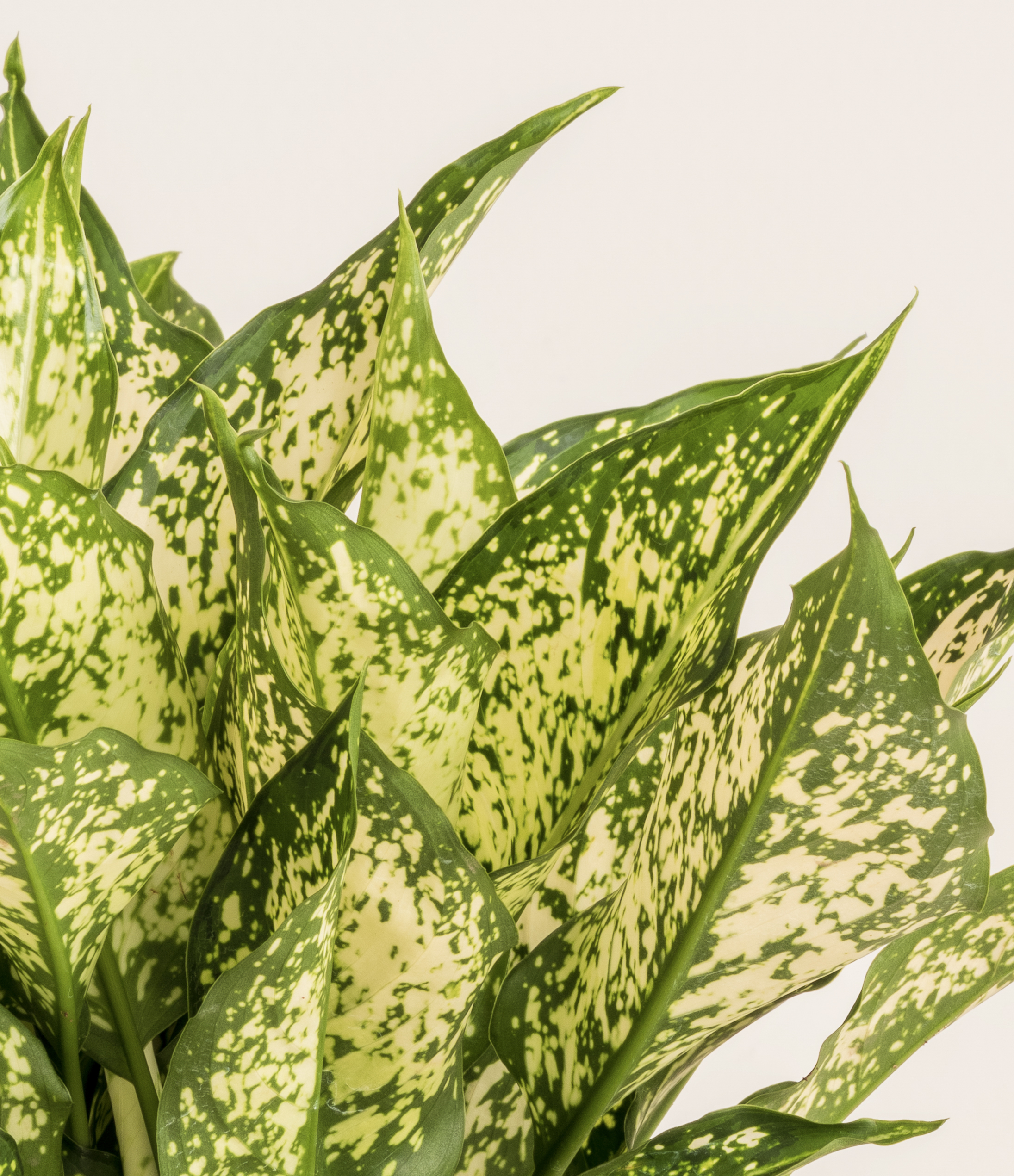
About Aglaonema Snow White
Aglaonema Snow White, often called the Chinese Evergreen, is cherished for its striking foliage featuring deep green leaves speckled and edged with creamy white variegation. Native to the tropical forests of Southeast Asia, this plant is known for its lush, compact growth and ability to adapt to a variety of indoor conditions. Its elegant leaves and easygoing nature make it a favorite choice for adding brightness and balance to any home or office space.
How Often Should I Water My Aglaonema Snow White?
With easyplant, watering your Aglaonema Snow White is simple. Make sure to check the easyplant reservoir once every month and fill it if empty, and you’re all set!


Aglaonema Snow White Light Needs
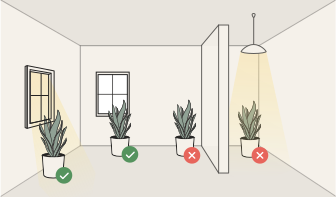
Aglaonema Snow White grows best in a space with bright indirect light, where the sun rays are diffused, and can also adapt to spaces with bright direct light, where the sunlight streams inside directly. Avoid placing it in spaces with low light or spaces without natural sunlight.
For ideal placement, keep your Aglaonema Snow White near an east- or north-facing window, or a few feet back from a bright south- or west-facing one where it can enjoy filtered light. If sunlight is harsh, sheer curtains can help soften it and protect the leaves from scorching while maintaining their vibrant white variegation.

Aglaonema Snow White Plant Care
To keep your Aglaonema Snow White looking its best, gently wipe the leaves with a soft, damp cloth every few weeks to remove dust and allow them to breathe. Rotate your plant every month so it grows evenly and maintains its full, balanced shape. Prune any yellow or damaged leaves as they appear to encourage new, healthy growth. If your Aglaonema Snow White eventually outgrows its pot, easyplant offers a repotting kit with a larger self-watering container - only repot once the plant’s roots clearly fill the pot, as this will ensure it continues to thrive in its new home.
How Big Will My Aglaonema Snow White Grow?
When grown indoors, Aglaonema Snow White typically reaches about 1.5 to 3 feet tall and 1 to 2 feet wide, forming a lush, full shape. It’s a moderately slow grower, adding new leaves gradually throughout the year. Under the right lighting and care conditions, you can expect steady, healthy growth - enough to keep your space fresh and vibrant without overwhelming it. Since easyplant’s self-watering system is designed for indoor environments, keep your Aglaonema Snow White inside for the best growth and longevity.
Temperature & Humidity
Aglaonema Snow White thrives in warm, stable indoor conditions between 65°F and 80°F. It prefers moderate humidity levels typical of most homes but will appreciate slightly higher humidity if the air becomes very dry in winter. Keep your plant away from cold drafts, air conditioning vents, or direct heat sources such as radiators and space heaters, as sudden temperature changes can stress the leaves. Maintaining a consistent, cozy environment will help your Aglaonema Snow White stay vibrant and healthy year-round.
Is Aglaonema Snow White Toxic for Pets & Kids?
Yes - Aglaonema Snow White is considered toxic to pets and kids if ingested. Its leaves contain calcium oxalate crystals, which can cause irritation of the mouth, drooling, and stomach discomfort in cats, dogs, or young children. To keep everyone safe, place your plant on a high shelf or in an area that’s out of reach from curious paws and little hands. Always wash your hands after handling or pruning your Aglaonema Snow White.
Troubleshooting Common Problems with Aglaonema Snow White
If your Aglaonema Snow White’s leaves begin to yellow or feel mushy, it’s usually a sign of overwatering. For easyplant users, this is unlikely if you’re refilling the reservoir about once a month - just make sure it isn’t constantly full. For non-easyplant growers, allow the soil to dry at least halfway down before watering again.
If the leaf edges turn brown or crispy, the plant may be getting too much direct sun or suffering from dry indoor air - move it a bit farther from the window or away from heating vents. Drooping leaves can indicate the plant needs water or has been exposed to drafts. Wipe any visible pests, such as spider mites or mealybugs, with a damp cloth or a cotton swab dipped in soapy water.
It’s also normal for a few older leaves at the base to dry out over time - simply trim them off to keep your Aglaonema Snow White looking tidy and fresh.
Frequently Asked Questions about Aglaonema Snow White Plant
- How fast does Aglaonema Snow White grow?

Aglaonema Snow White grows slowly but steadily, producing new leaves every few months under the right light and care conditions. You can expect noticeable growth throughout the year, especially during spring and summer.
- Can Aglaonema Snow White tolerate low light?
Yes, this plant adapts well to medium and even low light, though its white variegation will be more pronounced in brighter indirect light. Avoid keeping it in completely dark areas or spaces without natural sunlight.
- Should I fertilize my Aglaonema Snow White?
With easyplant, additional fertilizing isn’t necessary - the soil and self-watering system provide steady nourishment. If you’re caring for the plant traditionally, you can feed it lightly once a month during spring and summer with a balanced liquid fertilizer diluted to half strength.
 Small Plants
 Medium Plants
 Plants Collections
 Large Plants
 Huge Plants