How to Care for Golden Pothos
Shop this plant
About Golden Pothos
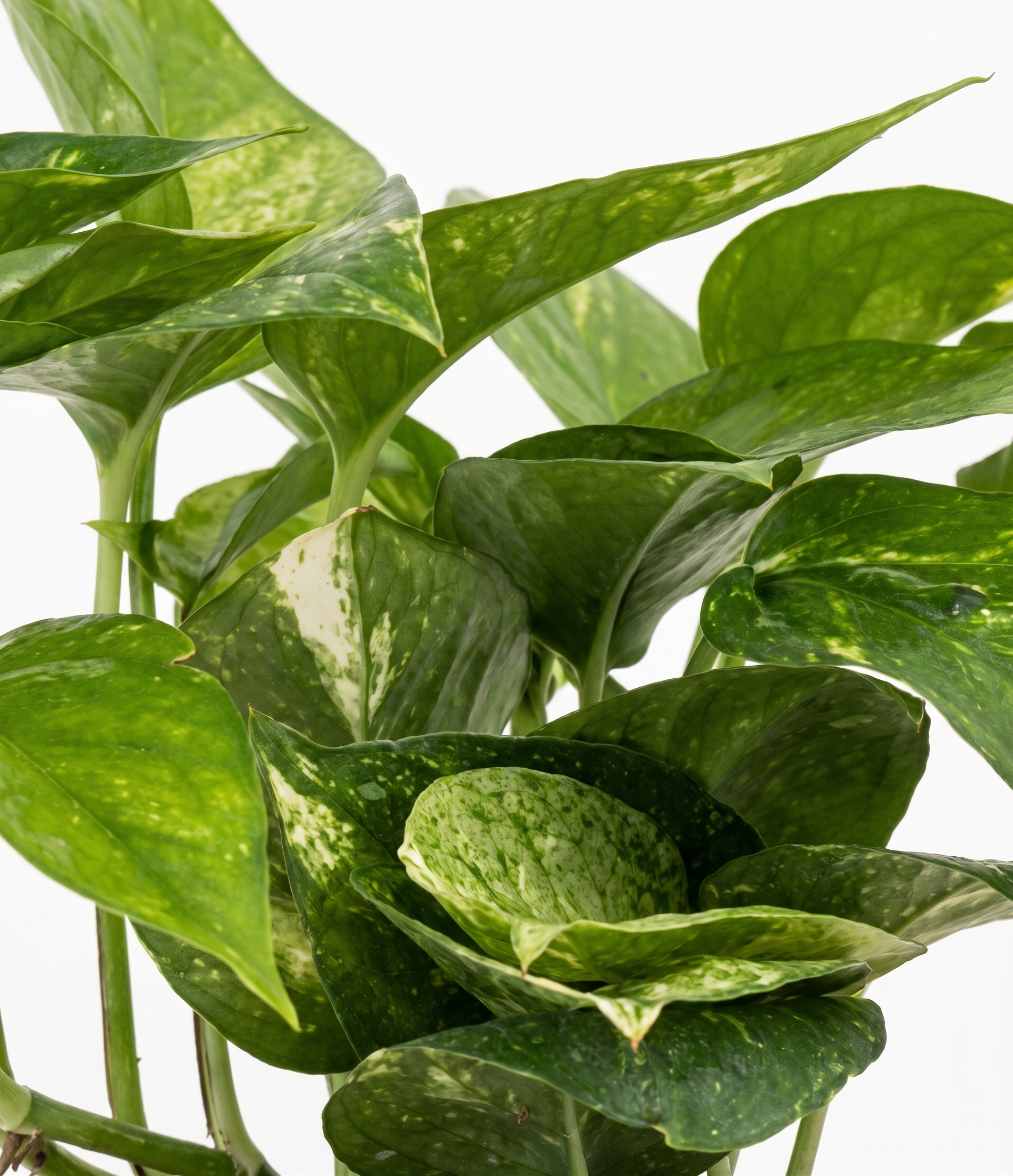
Native to the tropical forests of French Polynesia, Golden Pothos is one of the world's most popular houseplants, loved for its cascading vines and heart-shaped leaves marbled with vibrant shades of green and golden yellow. Its fast-growing, trailing habit adds a lush, effortless touch to shelves, hanging planters, and tabletops, making it a versatile choice for almost any indoor space.
Other common names
- Devil’s Ivy
- Ceylon Creeper
- Hunter’s Robe
- Ivy Arum
- Silver Vine
- Solomon Islands Ivy
- Taro Vine
- Money Plant
How Often Should I Water My Golden Pothos?
With easyplant, watering your Golden Pothos is simple. Make sure to check the easyplant reservoir once every 1 month and fill it if empty, and you’re all set!


Golden Pothos Light Needs
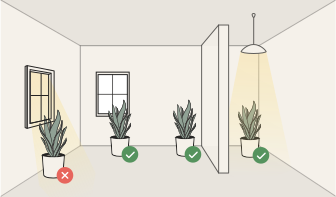
Golden Pothos grows best in a space with bright indirect light, where the sun rays are diffused, and can also adapt to spaces with medium to low light, and even with no natural light source. Avoid placing it in spaces with direct sunlight.
Place your Golden Pothos a few feet away from a bright east- or north-facing window, or near a south- or west-facing window with a sheer curtain to filter intense afternoon sun. While it tolerates lower light conditions, brighter indirect light will encourage fuller growth and help maintain its vibrant golden variegation.

Golden Pothos Plant Care
Golden Pothos is an easygoing plant that thrives with minimal maintenance. Wipe its leaves with a soft, damp cloth every few weeks to remove dust and help it absorb light more efficiently. Rotate the pot every few weeks to encourage even growth and keep the vines looking full on all sides. Trim long vines just above a leaf node to maintain your desired shape and encourage bushier growth. Repot only when your Golden Pothos has clearly outgrown its current pot, as moving to a larger pot too soon can keep the soil wet for longer. When it's time, easyplant offers a repotting kit with a larger pot designed to give your plant the extra room it needs to continue growing.
How Big Will My Golden Pothos Grow?
Indoors, Golden Pothos vines can grow 6–10 feet long, with an average growth rate of 1–2 feet per year under good conditions. In brighter indirect light and with regular pruning, it will produce fuller, more vigorous growth while maintaining its attractive trailing habit. Pruning also helps control its size and encourages a bushier appearance, making it easy to keep your Golden Pothos looking full and healthy in any indoor space.
Temperature & Humidity
Golden Pothos grows best in temperatures between 65–85°F and adapts well to typical indoor conditions. It prefers average household humidity but can also tolerate drier air, making it an excellent choice for most homes and offices. Keep your Golden Pothos away from cold drafts, air conditioning vents, heaters, and temperatures below 55°F, as sudden temperature changes can stress the plant and slow its growth.
Is Golden Pothos Toxic for Pets & Kids?
Yes. Golden Pothos is toxic if ingested by both pets and people. It contains insoluble calcium oxalate crystals, which can cause irritation of the mouth, tongue, and throat, as well as drooling, vomiting, and difficulty swallowing if chewed or eaten. To keep everyone safe, place your Golden Pothos out of reach of curious cats, dogs, and young children. If you suspect that a pet or child has ingested any part of the plant, contact your veterinarian or healthcare provider right away.
Troubleshooting Common Problems with Golden Pothos
Yellow leaves are often a sign of overwatering, so if you're using easyplant, make sure you're refilling the reservoir only once every 1 month. If you're not using easyplant, allow the top few inches of soil to dry before watering again and always empty excess water from the saucer. Brown leaf tips or edges can be caused by inconsistent watering or dry conditions, while pale leaves or slow growth usually mean your Golden Pothos needs more light. It's also normal for older leaves near the base of the vines to turn yellow and drop as the plant grows. If you notice sticky residue, tiny webs, or small insects, wipe the leaves with a damp cloth and remove pests with a cotton swab. Adjust your plant's care based on the symptoms you see, and it should quickly return to healthy growth.
Frequently Asked Questions about Golden Pothos Plant
- Why are the leaves on my Golden Pothos losing their golden variegation?

Golden Pothos naturally produces more vibrant variegation in brighter indirect light. If the plant is kept in low light for extended periods, new leaves may appear greener. Move it to a brighter spot with indirect sunlight to encourage more colorful new growth.
- Can I trim the vines if my Golden Pothos gets too long?
Yes. Pruning is a great way to control the size of your Golden Pothos and encourage a fuller, bushier plant. Simply trim the vines just above a leaf node, and new growth will emerge from the cut.
- Why are leaves falling off my Golden Pothos?
Occasional leaf drop is normal, especially for older leaves near the base of the plant. If many leaves are dropping at once, check the soil moisture and light conditions. Overwatering, underwatering, or prolonged low light are the most common causes. Adjust your care routine, and your Golden Pothos should recover with healthy new growth.


