How to Care for Spindle Palm


About Spindle Palm
The Spindle Palm (Hyophorbe verschaffeltii) is a graceful tropical palm known for its distinctive trunk that gently bulges in the middle, giving it the “spindle” shape that inspired its name. Native to the Mascarene Islands in the Indian Ocean, this palm brings an elegant, airy feel to indoor spaces with its smooth gray trunk and feathery green fronds that arch outward from the crown. Spindle Palm grows slowly indoors and is valued for its sculptural look, making it a beautiful statement plant for bright rooms.
Other common names
- Mascarena Palm
- Palmside Marron
- Hyophorbe verschaffeltii
How Often Should I Water My Spindle Palm?
With easyplant, watering your Spindle Palm is simple. Make sure to check the easyplant reservoir once a month and fill it if empty, and you’re all set!


Spindle Palm Light Needs
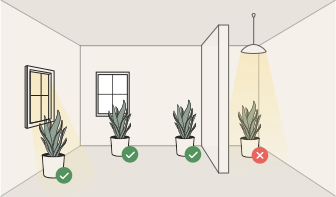
Spindle Palm grows best in a well lit space with bright indirect sunlight, and can adapt to both direct sunlight and low light. Avoid placing it in spaces without natural sunlight.
Place the Spindle Palm near a bright window where it can receive consistent light throughout the day, such as near a south- or west-facing window. If direct afternoon sun is very strong, positioning the Spindle Palm a few feet away from the glass can help protect the leaves while still giving it plenty of brightness.

Spindle Palm Plant Care
Spindle Palm is a relatively low-maintenance indoor plant that benefits from a little routine care. Wipe the leaves occasionally with a soft, damp cloth to remove dust so the plant can absorb light more efficiently. Rotate the Spindle Palm every few weeks to encourage even growth and prevent it from leaning toward the light. Trim off any fully brown or damaged fronds using clean pruning shears to keep the plant looking tidy and to help it focus energy on healthy growth.
How Big Will My Spindle Palm Grow?
Spindle Palm is a slow-growing palm indoors and typically reaches about 5–8 feet tall with a spread of 3–5 feet when grown as a houseplant. Indoors, it usually grows a few inches to about 1 foot per year depending on how much light it receives and how stable the environment is. While Spindle Palm can grow much taller in tropical outdoor landscapes, easyplant plants are designed for indoor growing, where the self-watering frequency supports steady, healthy growth in controlled conditions.
Temperature & Humidity
Spindle Palm grows best in temperatures between 65°F and 80°F, which makes it well suited for typical indoor environments. Try to keep the plant away from cold drafts, air conditioning vents, and heaters, as sudden temperature changes can stress the leaves. Avoid letting temperatures drop below 55°F, since Spindle Palm prefers warm, stable conditions. Average household humidity works well for this palm, as long as the air isn’t extremely dry or exposed to constant airflow from vents.
Is Spindle Palm Toxic for Pets & Kids?
Spindle Palm is considered non-toxic to pets and kids, making it a safer choice for homes with curious cats, dogs, or small children. However, it’s still best to discourage pets or kids from chewing on the plant, as eating large amounts of any plant material may cause mild stomach discomfort. Place the Spindle Palm where it can grow comfortably without being frequently disturbed, and remove any fallen fronds to keep the area clean and safe.
Troubleshooting Common Problems with Spindle Palm
If your Spindle Palm develops yellow leaves, soft stems, or drooping fronds, the most common cause is overwatering or poor drainage. For easyplant users, simply following the monthly reservoir refill schedule helps prevent most watering issues. If you’re not using easyplant and the soil feels soggy, allow the top few inches of soil to dry before watering again. Brown leaf tips can be a sign of dry air, inconsistent watering, or exposure to drafts from vents or heaters, so move the Spindle Palm to a more stable location if needed. It’s also normal for the oldest fronds at the base to gradually turn yellow and dry as the plant grows - these can be trimmed off with clean pruning shears. If you notice pests such as small bumps or sticky residue, gently wipe the leaves and stems with a cotton swab to remove them and check the plant regularly until the issue is resolved.
Frequently Asked Questions about Spindle Palm Plant
- Does Spindle Palm need a lot of sunlight?

Spindle Palm prefers bright light and grows best near a bright window with plenty of natural sunlight. It can adapt to some direct sun and even lower light conditions, but it will grow more slowly in dim spaces.
- Why are the lower leaves on my Spindle Palm turning yellow?
It’s normal for the oldest fronds at the base of the plant to yellow and dry over time as new growth appears at the top. Simply trim off fully yellow or brown fronds with clean pruning shears to keep the plant looking tidy.
- Can Spindle Palm grow outdoors?
Spindle Palm naturally grows outdoors in tropical climates, but easyplant plants are designed to grow indoors. The easyplant self-watering system is calibrated for indoor conditions, so keeping your Spindle Palm inside will help maintain the healthiest growth.
 Small Plants
 Medium Plants
 Plants Collections
 Large Plants
 Huge Plants